Back to blog
A Critical Look at the New US Dietary Guidelines
The 2025 US Dietary Guidelines have just been released, and they represent one of the most significant shifts in nutrition policy in decades. We are finally moving away from just looking at calories and macros and starting to consider the food quality and processing methods. However, while there are some major wins for public health, there are also some controversial blind spots.

Positives of The Dietary Guidelines
1. The Ultra-Processed Food
The 2025 dietary guidelines mark a historic shift: for the first time, the federal government recognises the health risk of ultraprocessed food (UPF); the degree of food processing itself poses a health risk, independent of a product’s nutrient profile.
We must acknowledge the metabolically problematic consequences of UPF consumption. Not only are they often higher in saturated fats, salt, and added sugar while being lower in fibre, but they also frequently contain additives such as sweeteners, bulking agents, and emulsifiers. They are processed in ways that affect our eating behaviour. UPFs are hyperpalatable, which often leads to faster consumption. They tend to bypass our bodies’ natural fullness signals, causing us to eat more; we metabolise UPFs differently from whole foods, in different locations, and extract calories from them in distinct ways.
While it’s a positive step that the new guidelines acknowledge these risks, navigating the current U.S. food environment remains challenging. Misleading marketing and health claims, such as labelling products ‘sugar-free’ while they are loaded with artificial sweeteners, make avoiding UPFs difficult. To make meaningful progress, we need stricter rules around how foods are marketed.
2. A Drastic Cut to Added Sugars
The committee is pushing for a much stricter limit on added sugar and dropping the recommended limit from <10% of daily calories to <6%.
This is a bold move against powerful industry lobbying. High blood sugar is a primary driver of Type 2 Diabetes and obesity. Lowering the threshold to 6% (roughly 30g or 7 teaspoons) effectively categorises sugary drinks and highly sweetened snacks as occasional treats, rather than daily staples.
Read more about Blood Sugar.
The Negatives: Where They Missed the Mark
1. Protein
The new dietary guidelines recommend increasing protein intake to 1.2-1.6g per kg of body weight (up from 0.8g). While protein is essential, this advice lacks crucial context. Adjust daily protein intake on age, activity level, weight, and height, and personalise recommendations accordingly.
US data shows the average American eats 40% more meat than recommended (Valcu‑Lisman, 2022). Excessive reliance on high protein foods, particularly animal-based sources, is associated with increased risk of heart disease, diabetes, and digestive issues (Papier et al., 2021).
Most Western populations already consume adequate protein but are significantly deficient in fibre. In the new pyramid, protein is placed above whole grains, which may have unintended health consequences. Prioritising protein can displace other macronutrients, as its high satiety reduces intake of fibre-rich foods.
There should be a stronger emphasis on plant-based protein, which provides fibre, beneficial phytochemicals, and supports the gut microbiome, all essential for long-term wellbeing, in ways that meat alone cannot.
2- Healthy Fats Ambiguity
Saturated fat consumption has been consistently linked to increased cardiovascular disease (CVD) risk. For this reason, current recommendations advise that no more than 10% of daily calories should come from saturated fat. Reducing saturated fat intake can reduce CVD by 17% (Hooper et al., 2020).
However, recent guideline updates now encourage cooking with healthy fats and list olive oil alongside butter and beef tallow. This is misleading.
Olive oil, particularly extra-virgin olive oil is rich in unsaturated fats and is consistently associated with improved heart health. Butter and tallow, on the other hand, are high in saturated fat and linked to increased cardiovascular risk. Treating these fats as interchangeable blurs an important nutritional distinction.
When this message is compounded by the recommendation to consume up to three servings of full-fat dairy per day, it becomes easy for people to exceed safe saturated fat limits, often without realising it.
3 - The Alcohol Step-Back
In a surprising move, the guidelines have softened the alcohol advice, removing specific daily limits and introducing a vague suggestion to ‘limit consumption’.
The Problem: This contradicts unpublished evidence, which stated that even one drink a day increases the risk of certain cancers (liver, oesophageal, oral) (Office of the Surgeon General, 2025). With the risks this clear, the guidance should be tightening specific limits, not relaxing them into vague suggestions.
Who Are The Guidelines Really For?
It’s hard to ignore the financial context behind the 2025 dietary guidelines since meat, dairy, and alcohol are some of the most powerful lobbying industries in the US. So is it really a coincidence that the guidelines have softened their stance on alcohol and promoted more meat and dairy, despite conflicting health evidence?
Beyond industry influence, they ignore the environmental impact; a meat-heavy, dairy-rich diet worsens climate change, which in turn threatens food security.
To be practical, guidelines should factor in the food environment. America cultivates an obesogenic environment; supermarket shelves are full of misleading ultra-processed foods, fast food dominates, and car-focused lifestyles make walking difficult. In this context, healthy eating is far easier said than done. Public health guidance that ignores profit, planet, and lifestyle is fundamentally incomplete.
Healthy Meal Delivery
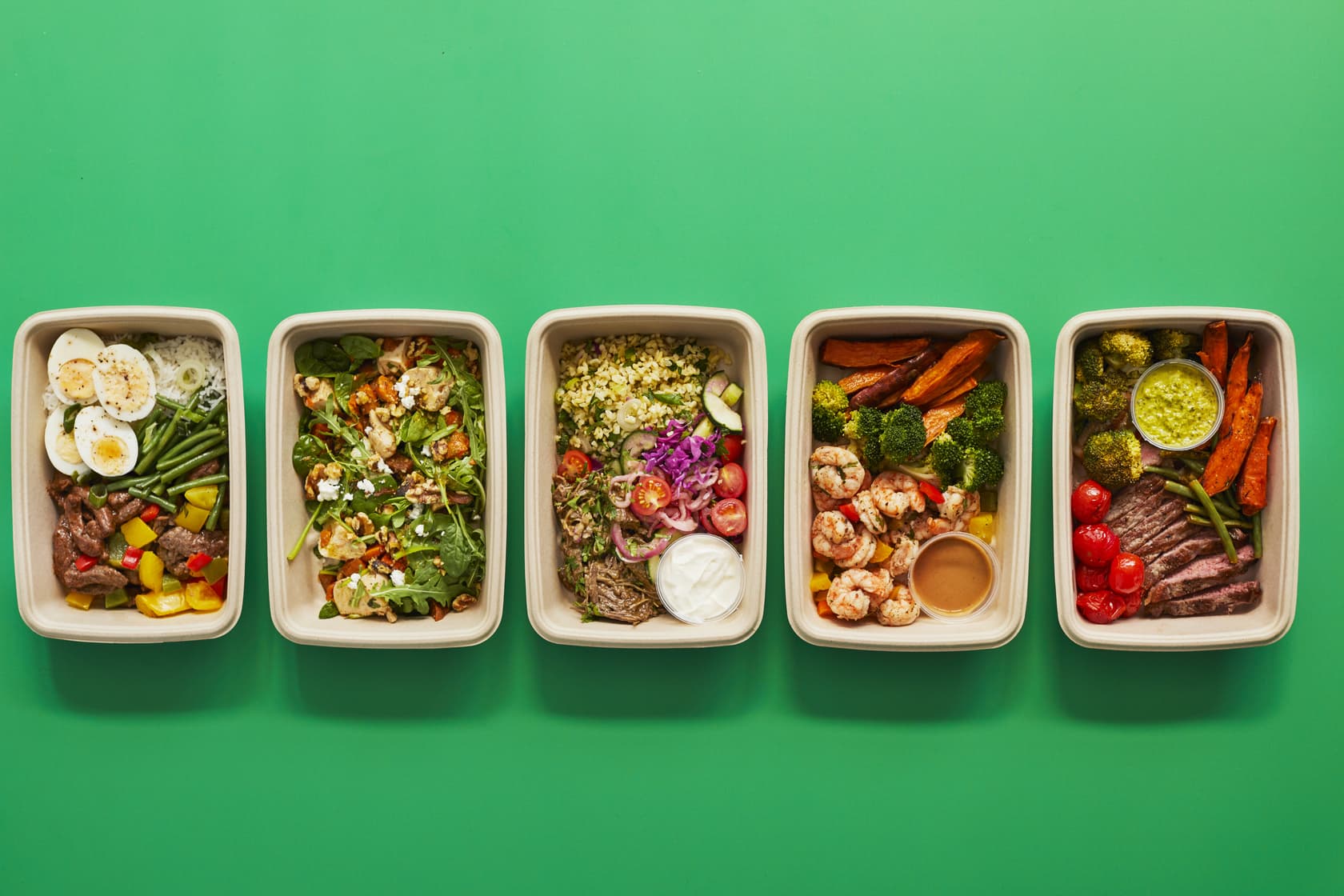
A balanced diet meal plan is paramount for good health and feeling your best. Download the Calo App; our meal prep service offers delicious meal plans, delivered right to your door. We carefully design fibre-rich meals to nourish your gut microbiome without you having to think about it!
FAQs: Dietary Guidelines
What are the effects of alcohol consumption?
The effects of alcohol consumption include an increased risk of liver disease, several cancers (including oesophageal, oral, and liver cancer), poor sleep quality, and impaired metabolic health. Even low levels of regular alcohol intake have been shown to increase health risks. Meaning reduction or avoidance is the safest option.
Does choosing products with no added sugar make them healthy?
Not necessarily. Foods labelled no added sugar may still contain artificial sweeteners or refined carbohydrates that impact blood sugar and appetite. Many of these products remain highly processed, so checking the ingredients list is more important than relying on front-of-pack claims.
Why is ultra-processed food harmful to health?
Ultra-processed food is engineered to be hyperpalatable and easy to overconsume. It often contains additives, emulsifiers, and refined ingredients that disrupt hunger signals, negatively affect gut health, and increase the risk of obesity, diabetes, and cardiovascular disease.
While these guidelines are US-based, the lessons are highly relevant in the UK. We face the same challenges of ultra-processed food, excess sugar, and tricky marketing here. The takeaway is simple: prioritise whole foods, fibre, and unsaturated fats, be cautious with alcohol, and don’t be distracted by industry-led narratives.
You can read more about healthy snacking and improving your immunity, and other health topics on the Calo blog.