Back to blog
What is IBS and IBS symptoms
In our previous article about gut health, we outlined tips to build a resilient gut: eat more fibre, increase plant diversity, and introduce fermented foods.
However, for some people, following these guidelines can actually make you feel significantly worse. This may point to Irritable Bowel Syndrome (IBS).
IBS is a common and increasingly prevalent condition, with IBS symptoms affecting around 13 million people in the UK. While it primarily impacts the digestive tract, IBS is also a disorder of the gut–brain axis, the two-way communication system linking the gut and the brain. These systems are closely connected via the vagus nerve, and in IBS, this signalling can become dysregulated, contributing to pain, bloating, and altered bowel habits.

The Mental & Physical Toll of IBS Symptoms
IBS is often invisible, but its impact is profound. IBS symptoms can affect people both mentally and physically, creating a vicious cycle:
- Foods trigger pain and bloating.
- Fear grows around what to eat, leading to food anxiety.
- This fear increases stress levels (cortisol).
- Stress exacerbates the gut-brain dysfunction, making symptoms even worse.
How To Diagnose IBS and The 4 Types
IBS symptoms can mimic other gastrointestinal disorders, like Coeliac disease or Ulcerative Colitis; therefore, accurate diagnosis is crucial. Medical professionals use specific guidelines called the Rome IV Criteria to categorise the condition into four distinct types:
- IBS-C (Constipation dominant): You mostly struggle with infrequent or difficult bowel movements.
- IBS-D (Diarrhoea dominant): You struggle with urgency and loose stools.
- IBS-M (Mixed): You experience a volatile mix of both constipation and diarrhoea.
- IBS-U (Unclassified): You fit the diagnostic criteria for IBS but don't fall neatly into the above categories.
Common Symptoms:
- Abdominal pain and cramping (often relieved by passing wind or stools).
- Significant bloating and distension.
- Excessive gas.
- Mucus in the stool.
- A feeling of incomplete emptying.
What Causes IBS
The causes of IBS symptoms are challenging to state and assess accurately. It is a disorder of multifactorial origin, and often it is due to a combination of factors.
- Infections: IBS can occur after a severe stomach bug (Post-Infectious IBS). It can also be driven by low-grade inflammation.
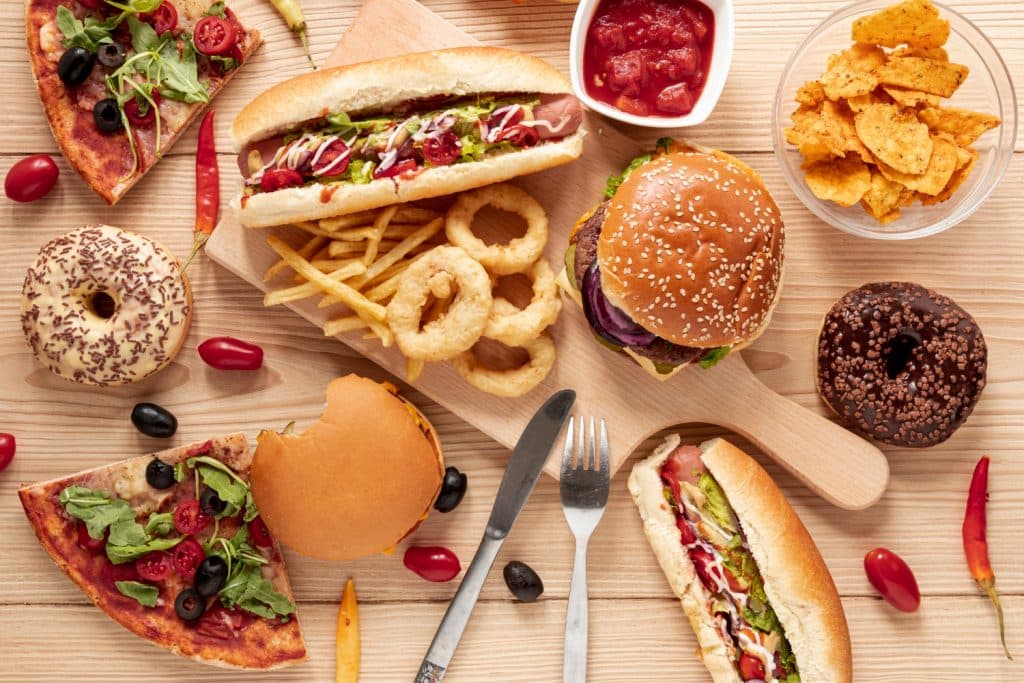
- Inflammation: Research has found a significant association between high intakes of Ultra-Processed Foods (UPFs) and the likelihood of developing IBS, as additives and emulsifiers can disrupt the gut lining and trigger inflammation. These foods are becoming increasingly prevalent in the modern food environment, and the rise in UPF consumption has occurred in tandem with the increasing prevalence of IBS.
- Psychological Factors: Those with a history of anxiety or depression are statistically more likely to develop IBS, which is due to the gut-brain axis.
- Genetics: If your parents had a sensitive gut, you are more likely to inherit that susceptibility.
- Antibiotic Use: Frequent courses of antibiotics can disrupt the microbiome, potentially setting the stage for long-term dysfunction.
How To Manage IBS?
Understanding what IBS is and getting an accurate diagnosis is the first step. The second step is learning how to manage and reduce your symptoms to maintain a good quality of life.
In Part 3, we will discuss the treatment of IBS and the mechanisms of managing IBS, looking at targeted dietary strategies and holistic approaches that target the psychological root of the disorder.
Healthy Meal Delivery
A balanced diet meal plan is paramount for good health and feeling your best. Download the Calo App; our meal prep service offers delicious meal plans, delivered right to your door. Our newly launched gut health plan is designed to support people living with IBS. Book a free consultation with our nutritionist to discuss your symptoms and find a plan that works for you.
FAQ
How long do IBS flare-ups last?
How long IBS flare-ups last varies from person to person. Some flare-ups may last only a few hours, while others can persist for days or even weeks. Duration is influenced by stress levels, diet, sleep quality, hormonal changes and how well triggers are managed.
What are the symptoms of IBS attacks?
Symptoms of IBS attacks commonly include abdominal pain, cramping, bloating, excessive gas, toilet urgency, diarrhoea, constipation or a combination of both. Many people also experience fatigue, nausea and heightened anxiety during an attack due to the gut-brain connection.
How to treat IBS?
To treat IBS effectively, a personalised and nuanced approach is required. Treatment often includes identifying dietary triggers, managing stress, regulating the nervous system and supporting gut health. In some cases, medical support or psychological therapies may also be recommended as part of treatment for IBS.
Is there a Diet to prevent IBS?
A diet to prevent IBS focuses on reducing trigger foods while maintaining nutritional adequacy. This may include temporary food elimination strategies, such as following a low FODMAP diet. This means restricting Fermentable Oligo-, Di-, Mono-saccharides, and Polyols (short-chain carbs) for a period, and then gradually reintroducing them.
Conclusion
IBS symptoms can be complex, frustrating, and often misunderstood, but understanding what IBS is, what causes IBS, and how it affects both the gut and the brain is a crucial first step towards regaining control. Read more about the foundations of gut health and January nourishment here, and more topics related to health on the Calo blog.