Back to blog
What Is Kimchi Good for?
What Is Kimchi & What Is It for?
How to Tell If Kimchi Goes Bad?
How to Keep It Fresh?
Healthy Food Delivery
How to Tell If Kimchi Goes Bad?
How to Keep It Fresh?
Healthy Food Delivery
What is Kimchi best known for? Probiotic content. Recently, there’s been growing attention around the importance of adding beneficial bacteria to your diet. These “good bacteria” developed by fermentation play a quiet but powerful role in gut health and overall well-being.
Historically, it hasn’t always been possible to grow fresh vegetables year-round. So people turned to food preservation methods, like fermentation, which naturally increased the nutritional and functional value of food.
Although kimchi is often fermented for days or weeks to deepen its flavour and probiotic content, it can also be eaten fresh. As it ages, its taste intensifies, and its health benefits continue to grow.

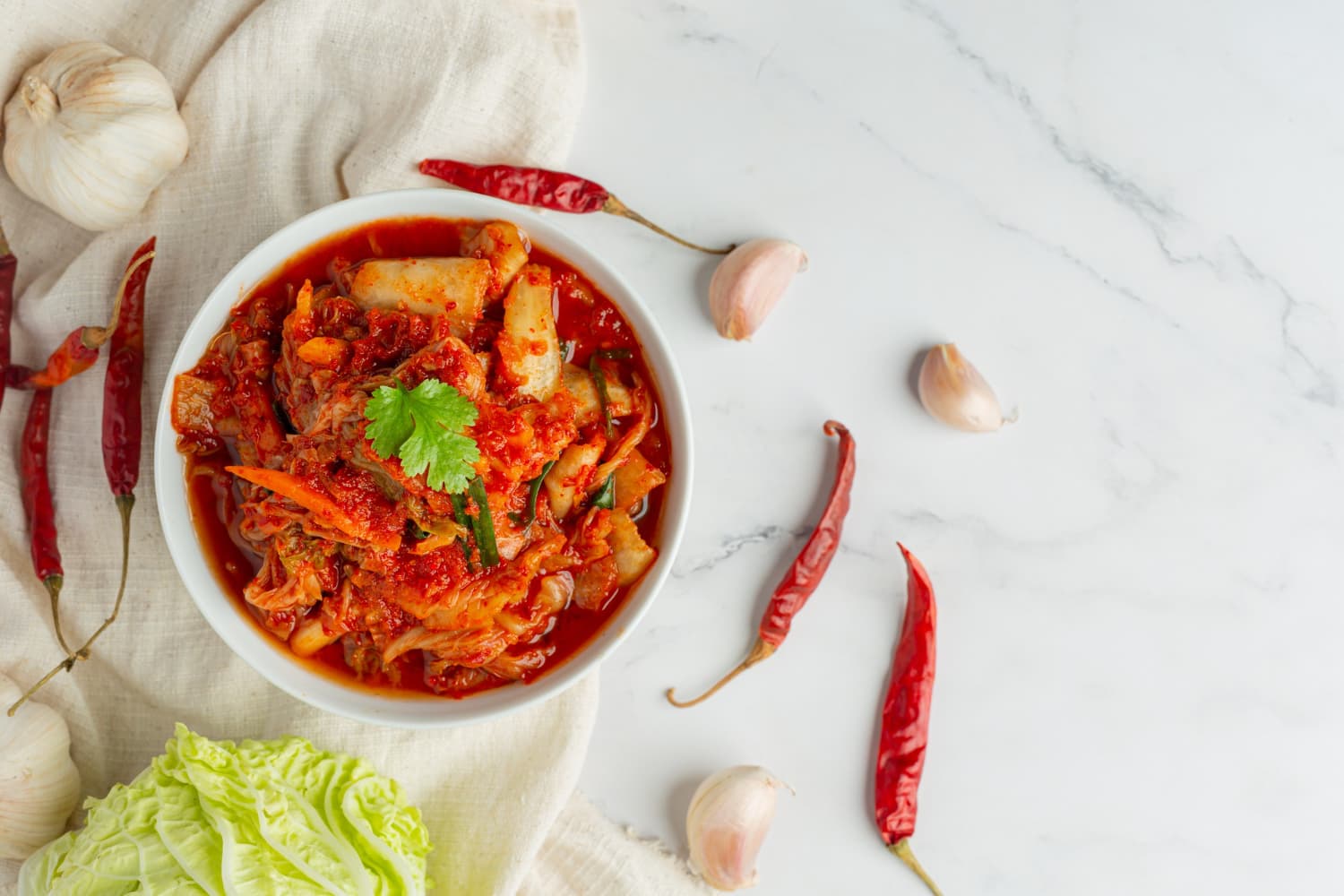
What Is Kimchi and What Is It Good for?
Kimchi is a traditional Korean dish made with salted, fermented vegetables. Beyond adding bold, tangy flavour, once fermented, it becomes more nutrient-dense and develops probiotics that support the immune system, digestive health, and reduce inflammation, among other benefits. Think of fermentation as giving food a second life. What starts as ordinary vegetables becomes a living, nourishing food that works with your body, not against it.
Kimchi Ingredients
While pickling preserves food, fermentation makes it even better.
The main ingredient is usually napa cabbage, mixed with colourful vegetables such as carrots, radishes, spinach, celery, cucumber, beets, and green onions, or even eggplant and bamboo shoots. What gives kimchi its distinctive kick is its bold seasoning, like garlic, ginger, onions, and chilli pepper, which create its signature heat and depth.
Small amounts of salt and sugar help initiate the fermentation process, allowing beneficial bacteria to grow and thrive. Over time, these bacteria transform the vegetables into a probiotic-rich food that supports your body from the inside out.
Kimchi Benefits
Like other fermented foods such as sauerkraut and kefir, kimchi helps nourish the beneficial bacteria in your gut. These probiotics maintain a healthy digestive environment, restore balance, and strengthen your body’s natural defences.
It is rich in nutrients such as fibre, iron, and vitamins C, B6, and K, while remaining low in calories. Its compounds may also help reduce inflammation, which is linked to ageing and many chronic conditions, and support heart health by lowering LDL cholesterol. Other benefits include:
- Contains probiotics.
- Rich in essential nutrients.
- Supports heart health.
- Improves gut health.
- Strengthens the immune system.
- Low in calories, which may help with weight loss.
- May reduce inflammation.
- May prevent yeast infection.
- May slow ageing.
- Easy to make.
In many ways, a healthy gut acts like the foundation of a house. When it’s strong and balanced, everything built on top of it becomes more stable.
Potential Side Effects
While it offers many benefits, as with most things in nutrition, balance and moderation matter more than extremes. Because kimchi is fermented with salt, it can be high in sodium. Consuming excessive amounts may lead to water retention, bloating, or increased blood pressure, especially if not balanced with adequate hydration.
Kimchi has very few risks, but it has been tied to food poisoning, so people with compromised immune systems should be extra cautious.
Read more about Hibiscus Tea Benefits for Blood Pressure here.
Does Kimchi Go Bad?
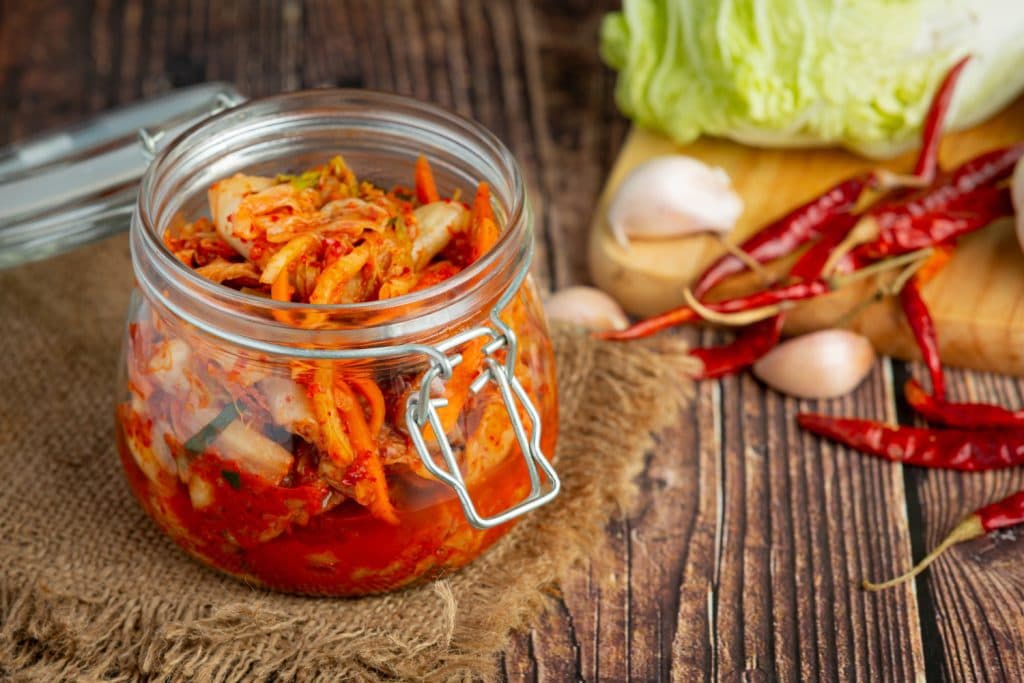
Kimchi is naturally bold, tangy, and pungent, that’s part of its charm. But there’s a difference between fermented and spoiled. So, can kimchi go bad then? The answer is yes, and here’s how you could tell the difference:
- Smell: Fresh kimchi smells sour and lively. Spoiled, on the other hand, may smell unusually sharp, rotten, or even like alcohol. If it makes you instinctively pull away, it’s probably spoiled.
- Look closely: Mould is the biggest red flag. Watch out for fuzzy spots or dots in colours like green, black, blue, or white. If you see mould, do not taste or smell it, its spores can be harmful. It’s safest to discard the entire jar.
- Check the texture: Good kimchi vegetables should still have some firmness. If they’ve turned overly soft, mushy, or slimy, it’s a sign they’ve gone bad.
- Taste only if everything else seems fine: If the smell and appearance seem normal, you can try a very small bite. If it tastes bitter, unpleasant, or aggressively fizzy, it’s time to let it go.
- Be extra careful with seafood kimchi: Kimchi made with seafood can spoil faster and cause stronger reactions if it turns. Always inspect these versions more carefully.
When in doubt, throw it out. Your gut will thank you.
What Happens If You Eat Spoiled Kimchi?
Eating spoiled kimchi isn’t worth the risk, it can lead to food poisoning, with symptoms like:
- Nausea
- Vomiting
- Diarrhoea
- Stomach cramps
Seafood kimchi carries additional risks if spoiled, so inspect properly before eating.
How to Keep Kimchi Fresh Longer?
The good news? It ages well when handled properly. Kimchi is a living food, constantly evolving. If stored well, it doesn’t just last, it gets better with time.
- Keep it in the fridge: Once fermentation reaches your preferred taste, refrigeration slows the process and keeps it safe to eat.
- Make sure everything stays submerged: The brine protects the vegetables. If pieces sit above the liquid, they’re more likely to spoil.
- Use clean utensils every time: Think of your kimchi jar as a protected environment. Dirty utensils introduce unwanted bacteria.
- Limit air exposure: Avoid opening the container too often, and close it tightly after each use.
- Store smaller portions: If you have a large jar, move some into a smaller container for daily use. This keeps the rest fresher for longer.
Read more about fermented drinks like Kombucha Tea here.
Healthy Food Delivery
Whether you’re curious to try the kimchi menu or simply want to explore more nourishing foods, building healthy habits becomes easier when balanced meals are already taken care of
With the Calo app, healthy eating becomes effortless, without restriction or stress. Our nutrition experts help you choose meals that work for your body, our chefs prepare them with love to satisfy your taste buds, while our delivery team ensures your healthy food is always within reach.
FAQs
Are kimchi noodles healthy?
Kimchi noodles are a popular Asian dish. Some instant versions may contain processed ingredients and excess oils, but homemade or balanced versions can absolutely be part of a healthy lifestyle.
What does kimchi taste like?
Kimchi has a bold, tangy, and slightly spicy flavour. Its unique taste comes from the balance between heat, acidity, and the depth created through fermentation.
What is kimchi other than one of the most well-known sources of probiotics? The iconic Korean fermented dish. Because sometimes, the smallest additions to your plate can create the biggest changes in how you feel.
Read more about IBS Symptoms and intuitive eating here, or explore more health topics on the Calo blog.