Back to blog
Seasonal Spotlight: Simple Habits and Healthy Winter Food to Support Your Immune System This Season
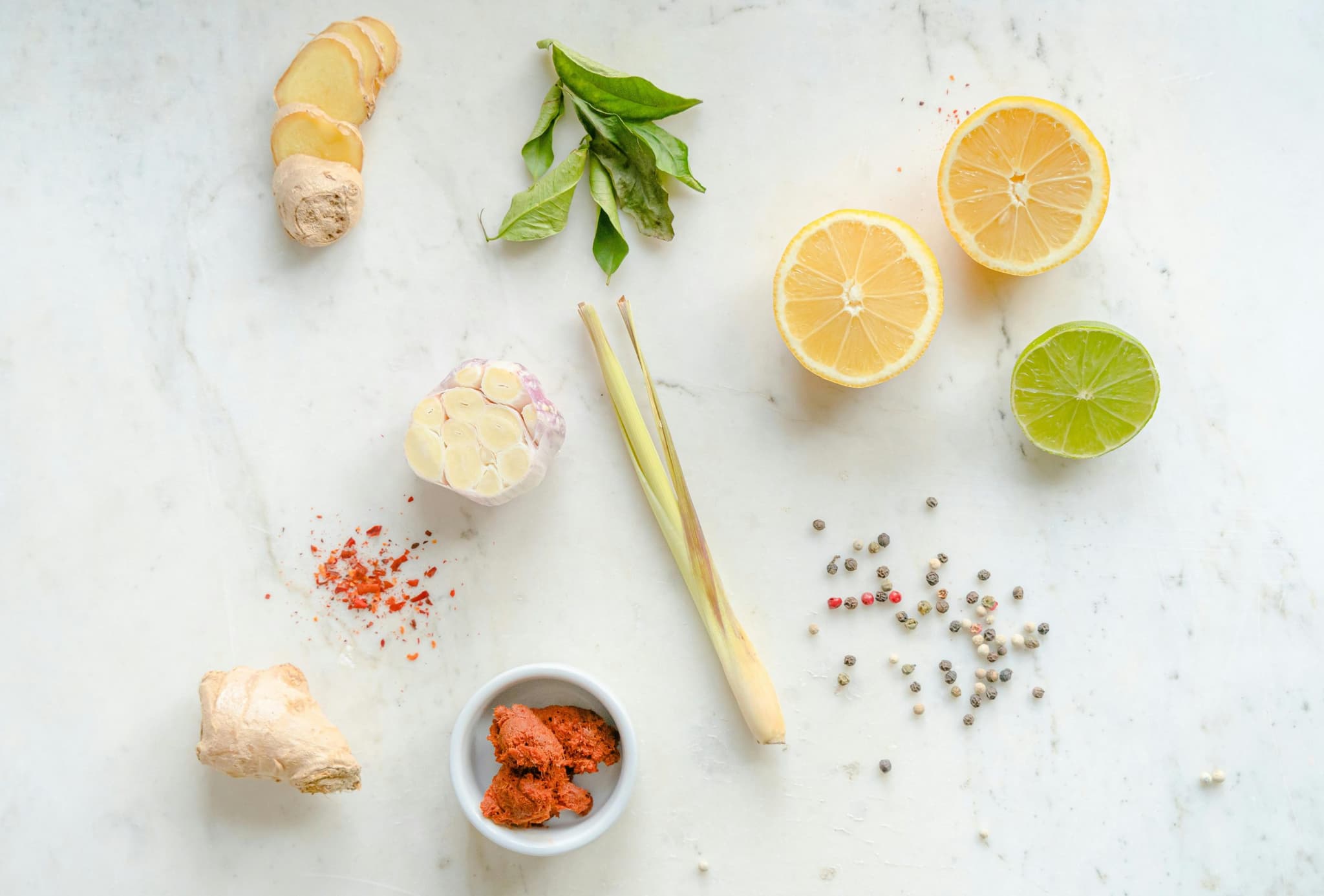
Healthy Winter Food
Healthy Winter Habits
Winter Wellness Pillars
Vitamin D and Winter Wellness
Healthy Food Delivery
Healthy Winter Habits
Winter Wellness Pillars
Vitamin D and Winter Wellness
Healthy Food Delivery
The colder months can feel cosy and comforting, but they also come with an increase in colds, flu, and general seasonal fatigue. Despite the Christmas festivities, this stretch is often where people feel most run-down - which makes maintaining healthy winter habits more important than ever.
Focusing on healthy winter food as well as movement, sleep, and stress management creates a foundation that helps your immune system stay resilient. The good news? Most of these habits are simple, gentle, and easy to weave into your everyday routine.

Eat for Wellness: Nourishing With Healthy Winter Food
What you eat is one of the most powerful tools for protecting your health through the colder months. Vitamins, minerals, antioxidants, and fibre all help your immune system function optimally - and this time of year offers plenty of opportunities for healthy winter dishes and comfort meals that still feel hearty and nourishing.
1. Build balanced, colourful plates
Seasonal produce like apples, pears, clementines, cauliflower, parsnips, Brussels sprouts, and cabbage can be transformed into healthy and hearty meals or healthy winter dinners that warm you from the inside out.
To boost your daily fruit and veggie intake, try:
- Blending seasonal veg into healthy winter recipes like soups
- Adding legumes to stews for extra fibre and protein
- Topping your breakfast with fresh fruit for a morning vitamin boost
If cooking feels overwhelming at this time of year, a meal prep service can help you stay consistent with comfort meals for winter that are balanced, delicious, and ready when you are.
Healthy Winter Habits to Keep You Feeling Your Best

2. Keep moving - even when it's cold out
It can be tempting to curl up indoors until spring arrives, but staying active plays a big role in immune health. Research (You, 2023) consistently shows that regular physical activity is linked to a lower chance of developing upper respiratory infections like the common cold or flu. Even short bouts of movement - think a brisk 20-minute walk, a light home workout, or yoga - can help support your body’s natural defences.
If motivation is tough during darker days, try:
- Walking with a friend
- Enjoying a podcast while stretching
- Choosing gentle, feel-good movement rather than intense workouts
Small efforts count, and they can make winter feel much more manageable.
Sleep and Stress: Two Underrated Pillars of Winter Wellness
3. Prioritise restful, consistent sleep
Sleep and immunity work closely together. When you get enough rest, your body is better able to regulate inflammation and produce protective immune cells (Garbarino et al., 2021). When sleep is disrupted - whether from stress, screens, or busy routines - your defences naturally weaken.
Aim for 7–8 hours per night by:
- Reducing caffeine later in the day
- Creating a screen-free wind-down routine
- Keeping your bedroom cool and calm
Even small improvements can leave you feeling more energised and resistant to illness.
4. Find ways to gently lower stress
Chronic stress pushes cortisol levels higher than usual, making it harder for your immune system to function properly (Alotiby, 2024). While stress can’t be avoided entirely, you can support yourself with healthy coping tools, such as:
- gentle movement
- mindful breathing
- journaling
- listening to music or a favourite podcast
- staying connected with the people you love
Whatever helps you exhale - lean into it.
Vitamin D and Winter Wellness
5. Remember your vitamin D supplement
Vitamin D is essential for immune regulation, but during UK winters, sunlight levels simply aren’t high enough to maintain optimal levels. Because we only get small amounts from food, national guidance recommends supplementing between October and March.
Many people find vitamin D3 supplements easiest to absorb. A daily dose around 10μg/400 IU is appropriate for most adults, but check with your healthcare provider if you’re unsure - those required to cover up more, for example, may require supplementation all year round, or at higher doses.
Healthy Food Delivery
If winter leaves you with little time or energy to cook, Calo can help. Our meals are designed by nutrition specialists to support immunity, energy, and overall wellbeing - all delivered fresh to your door.
Order through the Calo App to enjoy nourishing, ready-to-eat meals that make seasonal health simple.
FAQ
What are the best foods to eat when you have a cold?
Warm soups, citrus fruit, garlic, ginger, leafy greens, and protein-rich meals are great options. They’re easy to digest and packed with nutrients your body needs during recovery.
What are the best foods for the cold season in general?
Think hearty, nutrient-dense ingredients such as root vegetables, legumes, lean proteins, wholegrains, and seasonal fruits. These make excellent winter recipes and support immunity without sacrificing comfort.
Are hearty winter meals unhealthy?
Not at all - hearty meals can be incredibly nutritious when built with whole foods like vegetables, beans, lean meats, and whole grains. Pairing comfort with balance is the sweet spot.
Do I need supplements besides vitamin D in winter?
Most nutrients can be obtained through a varied diet. However, some people may need additional support depending on lifestyle or health needs. If you’re unsure, speaking with a nutrition professional can help.
Conclusion: Supporting Your Immune System With Healthy Winter Food
Staying well during winter doesn’t have to be complicated. By focusing on healthy winter food this year, staying active, sleeping well, managing stress, and topping up your vitamin D, you give your body powerful tools to fight off seasonal illnesses.
If you want an easier way to enjoy healthy winter meal recipes and nourishing dishes without the prep, Calo is here to help.
You may also enjoy:
Explore more tips and nutrition guides on the Calo Blog 💚