Back to blog
Intermittent Fasting Schedule for Beginners: How to Get Started?
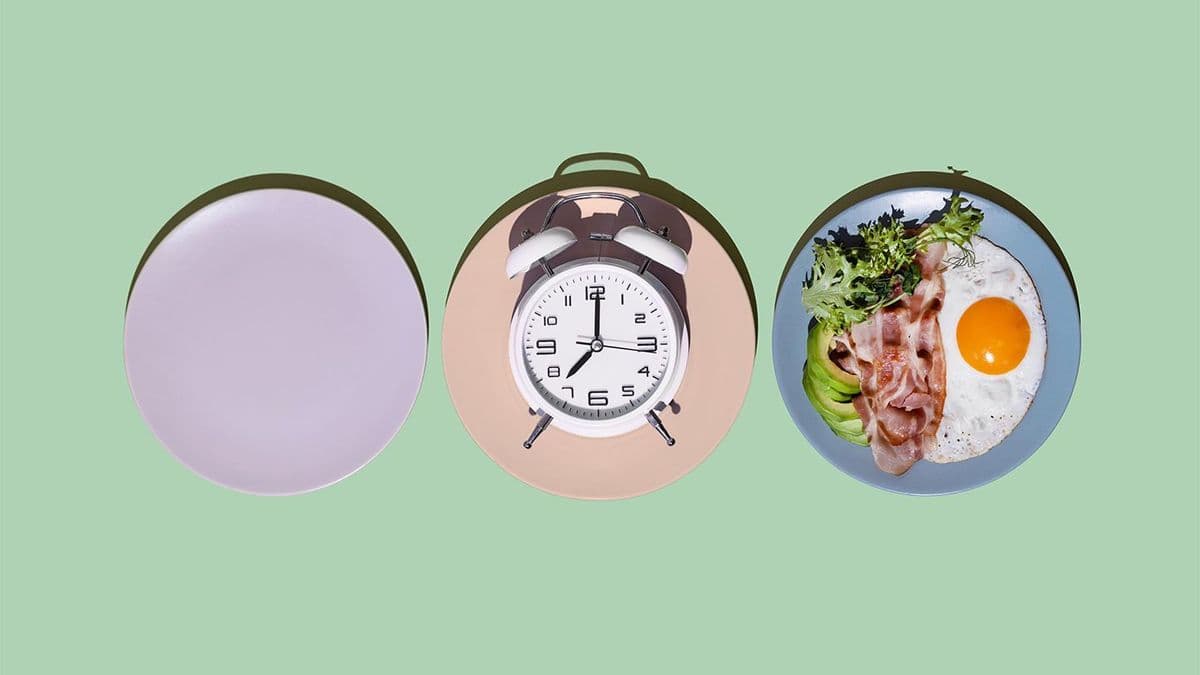
Following an intermittent fasting schedule is easier than ever now, no stress, no confusion. In fact, you may have practised it before without realising it. If you’ve eaten dinner, slept late, and then skipped breakfast until lunchtime the next day, you’ve already fasted for more than 16 hours. Many people naturally follow this pattern because they don’t feel hungry in the morning, or they simply prefer starting their morning with a cup of coffee.
Intermittent fasting has gained growing popularity in recent years as a supportive approach to weight loss and a healthier lifestyle. At its core, it’s built on a simple yet flexible idea: instead of focusing on what you eat, focus on when you eat it. All you need is a bit of guidance. Read on to learn how to apply it step by step, along with practical tips to help you stay consistent.

Intermittent Fasting Schedule for Beginners
You don’t need a rigid or restrictive plan to benefit from intermittent fasting. The key is when you eat, not just what you eat. This approach helps reduce unnecessary snacking and overall calorie intake by limiting eating to a defined time window.
16/8 Intermittent Fasting 7 Day Meal Plan for Beginners
| Day | Fasting Period | 12:00 pm (First Meal) | 3:00–4:00 pm (Snack) | 7:00–7:30 pm (Dinner) |
|---|---|---|---|---|
| Saturday | 8:00 pm – 12:00 pm | Protein + vegetables + healthy carbs | Fruit + nuts | Salad + protein |
| Sunday | 8:00 pm – 12:00 pm | Chicken/fish + vegetables | Yoghurt or smoothie | Vegetable soup + protein |
| Monday | 8:00 pm – 12:00 pm | Eggs/legumes + whole grains | Fruit | Light balanced meal |
| Tuesday | 8:00 pm – 12:00 pm | Protein + healthy fats | Nuts | Salad or light dinner |
| Wednesday | 8:00 pm – 12:00 pm | Complete healthy meal | Yoghurt/fruit | Soup or light dish |
| Thursday | 8:00 pm – 12:00 pm | Protein + vegetables | Healthy snack | Early, light dinner |
| Friday | 8:00 pm – 12:00 pm | Flexible, balanced meal | As desired | Light dinner |
You can read more about intermittent fasting benefits and risks here.
How to Do Intermittent Fasting the Right Way?
Here’s everything you need to know to follow the 16:8 intermittent fasting diet plan for beginners:
First: Choose Your Eating Window
To start, select an 8-hour eating window and eat all your meals within this timeframe. Examples include:
- 7:00 am to 3:00 pm
- 9:00 am to 5:00 pm
- 12:00 pm to 8:00 pm
- 2:00 pm to 10:00 pm
Many people prefer eating between 12:00 pm and 8:00 pm, as fasting time takes place mostly overnight, while you’re already asleep, and then simply skipping breakfast. This way, you get to enjoy a balanced lunch and dinner, along with a few snacks. That said, feel free to experiment and choose what best suits your daily rhythm.
Try to stick to the same eating window each day for best results. Setting reminders at the start and end of your eating window can be a helpful nudge to stay on track.
Second: Eating Schedule During Intermittent Fasting Hours
To maximise health benefits, focus on natural, nutrient-dense, and varied foods during your eating window, while limiting ultra-processed options. You can drink zero-calorie beverages like water, unsweetened tea, or black coffee, even during fasting hours, to help manage your appetite and prevent dehydration.
Third: Consistency Through Flexibility, Not Restriction
It is completely normal to feel tired and hungry or experience mental fog, especially in the early stages. Try to keep in mind that these symptoms are often temporary and fade as your body adjusts. Give yourself time; you may be surprised by how adaptable your body can be.
Listen to your body. Adjust portion sizes or food choices as needed, and remember that having a flexible day now and then is perfectly fine. You can always return to your routine the next day.
Learn how to stay consistent with the 20/80 rule here.
How to Make Intermittent Fasting Easier?

Sticking to intermittent fasting can feel challenging at first. Beyond the familiar growl of hunger, you might notice dips in energy, moments of irritability, or a general sense of restlessness as your body settles into a new rhythm. These tips can help ease the process:
- Start with a realistic schedule that fits your life, then gradually increase duration or intensity.
- Stay hydrated during fasting hours with water and calorie-free drinks like herbal tea or coffee.
- Eat slowly and space meals out (every 3 hours within the eating window) to ensure enough calorie intake, undereating can make fasting unsafe.
- Add healthy fats such as olive oil, nuts, fatty fish, or avocado to dinner to help stabilise blood sugar overnight.
- If you struggle with sleep and insomnia, intermittent fasting may not be the right choice for you.
- Resist the urge to reach for comfort foods immediately after fasting; balanced meals with protein, fruits, and vegetables are always the better choice.
- Prepare meals in advance if you have a busy schedule, this saves time and keeps your nutrition on track.
You can also try Calo’s healthy meal subscription, offering filling, nourishing, and delicious meals prepared specifically to match your needs and lifestyle.
Does Intermittent Fasting Work?
Intermittent fasting stands out for its simplicity and flexibility. It doesn’t require calorie counting or food deprivation, making it easier to maintain long-term. Research shows it supports heart and brain health, reduces the risk of diabetes and insulin resistance, and helps the body repair cells by clearing out damaged ones.
One recent study found that individuals who followed intermittent fasting for three months, eating within an 8-hour window regardless of timing, lost more weight than others. More importantly, they maintained that weight loss for nearly a year after. Adherence rates were impressively high, ranging between 85% and 88%, a promising figure given how challenging long-term dieting can be.
Other Intermittent Fasting Methods
There are different methods for different needs. What matters most is choosing the one you enjoy and can sustain alongside your lifestyle. Here are five of the most common intermittent fasting times to choose from:
- Alternate-day fasting: Fasting every other day.
- The Warrior Diet: Small amounts of fruits and vegetables during the day, followed by one large meal in the evening.
- Eat–Stop–Eat: A full 24-hour or 36-hour fast once or twice a week.
- 16/8 intermittent fasting method: Daily fasting for 16 hours with an 8-hour eating window.
- 5/2 intermittent fasting diet method: Eating normally for five days a week, while restricting calories (around 500–600) on the remaining two days.
You can explore the best diets for weight loss here.
Healthy Meal Delivery
A healthy lifestyle doesn’t have to be complicated or restrictive. Download the Calo app and make healthy living simpler and more enjoyable. We provide balanced, thoughtfully designed meals that are satisfying, flavourful, and expertly crafted to support a realistic, sustainable lifestyle. Whatever your goal, achieving it is possible with Calo. Try it now and experience the difference for yourself.
FAQs
Can you drink water while intermittent fasting?
Yes, in fact, intermittent fasting drinks are essential for keeping you well-hydrated and feeling full. You can also drink black coffee or herbal tea without sugar.
Which method is the best intermittent fasting for weight loss?
It depends on what you choose and what your body can handle, fasting periods typically range from 12 to 40 hours. The most important thing is to start gradually and choose a method that aligns with your lifestyle and encourages consistency.
Read more about the best foods for weight loss here.
How is intermittent fasting healthy if skipping breakfast isn’t?
The truth is, skipping breakfast is not harmful as long as you’re eating balanced, nutritious meals throughout the rest of your day.
The 16:8 intermittent fasting schedule is considered one of the simplest, safest and most sustainable methods, making it ideal for beginners. You fast for 16 hours each day and distribute your meals across the remaining 8 hours. If this schedule feels manageable, you can later try more advanced methods or occasionally skip meals when you’re not too hungry. As for full 24-hour and 36-hour fasts, although very beneficial, they can be difficult to maintain, which is why they’re generally not recommended for beginners. Read more about a 36-hour fast and what it does to your body and blood sugar levels after eating here, or explore more topics related to health on the Calo blog.