Back to blog
Top Nutrition Myths Debunked By Experts

Nutrition advice can sometimes feel like a game of telephone. One person says carbs are bad, another says fat is the enemy, and suddenly everyone’s wary of half the food on their plate. The truth? Many popular beliefs about food stem from misunderstandings, outdated research, or oversimplified headlines. That’s why food and nutrition myths continue to circulate even when science tells a different story.
Read on as we unpack some of the most surprising misconceptions and common nutrition myths of our time. It’s time to separate fact from fiction and set the record straight.

Nutrition Myths Debunked
Let’s break down 10 nutrition myths and look at the real evidence behind them:
1. Carbs Are the Reason You Gain Weight
Carbs often get blamed for weight gain, which is one of the biggest nutrition myths ever known, because they’re not the villain they’re made out to be. Your body actually relies on carbohydrates as one of its main energy sources. The real issue usually isn’t carbs themselves, but eating more calories than your body needs.
Whole-grain bread, oats, fruits, vegetables, and legumes all contain carbohydrates along with fibre, vitamins, and minerals. Carbs are basic fuel for your body’s engine. The key is choosing quality carbs and keeping your portions balanced.
2. Low-Fat Foods Are Always the Healthier Choice
Another of the common myths about nutrition is that foods low in fat are always healthier. The “low-fat” trend from decades ago still lingers in many people’s minds. But the reality is that when fat is removed, something else is often added to keep the flavour, usually sugar, salt, or refined starches.
Fat itself isn’t the problem. In fact, healthy fats from foods like olive oil, nuts, seeds, and avocados help support heart health and keep you feeling full and satisfied after meals. Instead of fearing fat and avoiding it entirely, it’s better to focus on the type and overall quality of the food.
3. Eggs Can Raise Cholesterol and Harm Your Heart
This is a classic example of how science evolves over time when discussing nutrition myths and facts nowadays. Eggs were once placed on the nutrition blacklist because they contain cholesterol. But modern research has shown that, for most people, dietary cholesterol has little effect on blood cholesterol levels.
Eggs are actually rich in protein, vitamins, and healthy fats. The bigger concern for heart health is excessive saturated fat in your overall diet, not the egg itself.
Read more about The Egg Diet here.
4. Going Gluten-Free Is Healthier for Everyone
Gluten-free diets have become popular, but unless you have coeliac disease or a medically diagnosed gluten sensitivity, there’s really no need to avoid it.
In fact, many gluten-free products can contain just as much sugar, fat, or salt as regular versions. Whole grains that contain gluten, like wheat, barley, and rye, also provide fibre and important nutrients that support digestion and overall health.
This is one of those food nutrition myths where marketing often drives perception more than science.
5. Detox Diets “Cleanse” Your Body
Juice cleanses and detox teas promise to flush toxins out of the body, but your body already has a built-in detox system. Your liver, kidneys, and digestive system work around the clock to filter and remove waste.
When considering nutrition myths vs facts, detox diets often fall firmly in the myth category. Our advice? Don’t detox, use nourishment. Instead of extreme cleanses, the best support you can give your body is a balanced diet, hydration, regular movement, and good sleep.
Read more about Liver Detox Myths and Facts here.
6. Eating Late at Night Causes Weight Gain
One of the most persistent common nutrition myths is that eating after a certain hour leads to automatic weight gain. But your body doesn’t suddenly switch into “fat storage mode” when the clock strikes 8 p.m.
What matters most is your overall calorie intake and activity levels throughout the day. Late-night eating sometimes leads to weight gain simply because it adds extra calories, not because of the timing itself.
7. Fresh Fruits and Vegetables Are Always Better Than Frozen
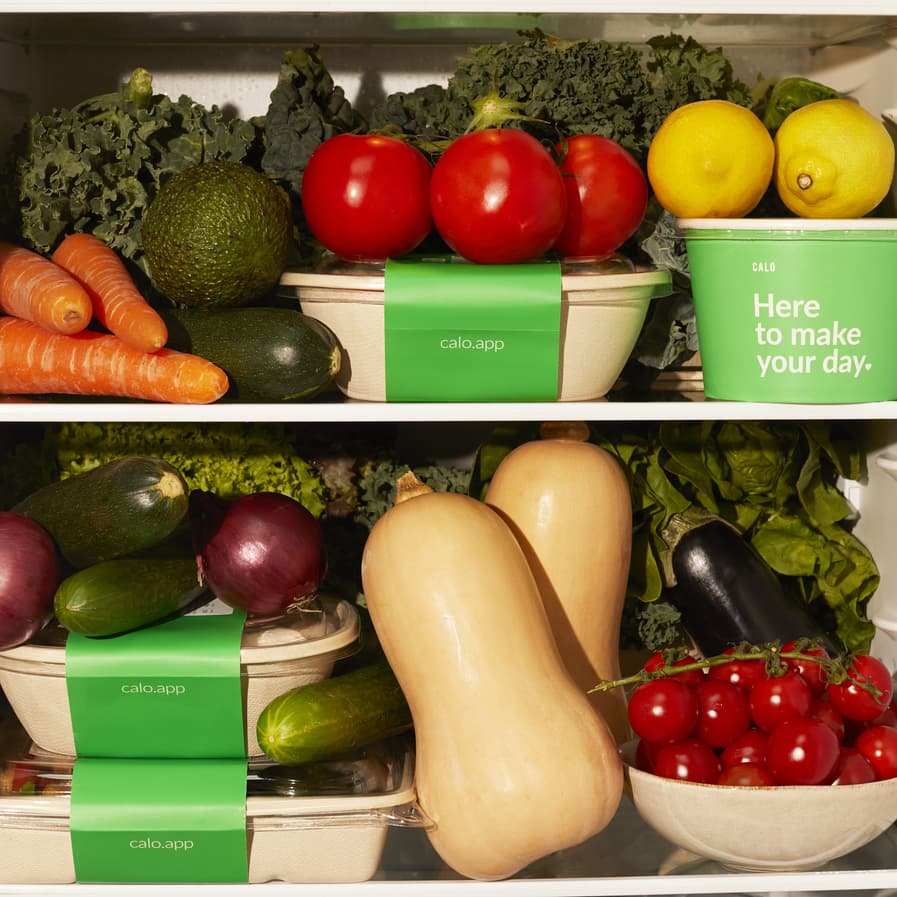
Fresh produce is great, but frozen fruits and vegetables are often just as nutritious, and sometimes even more so. Many are frozen shortly after harvest, which helps preserve their nutrients.
Plus, frozen options are convenient, affordable, and last longer in the freezer. In other words, the best vegetables are the ones you’ll actually eat.
8. Always Avoid Processed Foods
The word “processed” often gets a bad reputation, but technically, any food that has been changed from its original form is processed. That includes things like freezing vegetables, pasteurising milk, or canning beans.
While ultra-processed foods with added sugar, salt, or unhealthy fats should be limited, other processed foods, like whole-grain bread, frozen vegetables, or yoghurt, can absolutely fit into a healthy diet.
Understanding the difference helps put facts and myths about nutrition into perspective.
9. Skipping Meals Is a Good Way to Lose Weight
Skipping meals might seem like a quick way to cut calories, but it often backfires. Going too long without eating can leave you feeling extremely hungry later, which can lead to overeating.
While some people practise intermittent fasting to lose weight, its potential benefits are generally linked to consistency over time, which may naturally lead to a lower overall calorie intake and support weight loss.
On the other hand, regular, balanced meals help keep your energy levels steady and prevent those “eat everything in sight” moments that happen when hunger gets out of control.
10. You Can’t Get Enough Protein on a Plant-Based Diet
Another widespread misconception in food and nutrition is that protein only comes from meat. Foods like beans, lentils, tofu, nuts, seeds, and whole grains can provide plenty of protein when eaten in a balanced diet, and combining different plant foods throughout the day helps your body get all the essential amino acids it needs.
Protein not being exclusive to meat is a great example of how nutrition myths debunked by research can completely change the way people think about food.
Read more about High Protein Diet for Vegans here.
Healthy Food Delivery
If all these nutrition myths have ever left you wondering what’s actually true, you’re not alone. Healthy eating shouldn’t feel like solving a puzzle. That’s where the Calo App comes in. Instead of trying to sort through endless “myth or fact” debates online, Calo does the work for you, so you can focus on enjoying your food rather than questioning it.
Our expert nutritionists design balanced, personalised meal plans based on your goals, preferences, and lifestyle. With thoughtfully prepared meals delivered straight to you, building healthier habits becomes simpler, more consistent, and a lot less confusing.
The Bottom Line
With so many conflicting opinions, navigating myths on nutrition online can quickly become confusing. But the truth is that healthy eating rarely needs to be extreme or complicated.
Healthy food isn’t about chasing the latest trend or following strict rules, it’s more like building a puzzle. Each food group plays a role, and balance is the glue that holds everything together. Once you step back from the nutrition myths and focus on variety, moderation, and overall balance, eating well becomes much easier and far more enjoyable.
Read about healthy eating tips for remote workers and more on the link between diet and mental health or explore other health-related topics on the Calo blog.