Back to blog
The Psychology of Eating: Why We Crave Junk Food
How Junk Food Became the Norm
Healthy Food vs Junk Food
The Psychological Effect
Why Junk Food Is So Hard to Resist
How to Stop Craving Junk Food
Is Junk Food Really Cheaper?
How to Break Free from Junk Food Culture?
Healthy Meal Delivery
Healthy Food vs Junk Food
The Psychological Effect
Why Junk Food Is So Hard to Resist
How to Stop Craving Junk Food
Is Junk Food Really Cheaper?
How to Break Free from Junk Food Culture?
Healthy Meal Delivery
There was a time when food was simple. It came from the earth, was prepared with care, and existed for one purpose: nourishment. Today, food has been rebranded for speed and engineered not for your health, but to keep you coming back for more.
Junk food culture didn’t just change what we eat, it changed how we think. It trained us to prioritise convenience over care, and to see nourishment as optional. Somewhere along the way, we began to believe that eating well means effort, while eating poorly is normalised.
But here’s the truth: healthy food is no longer hard to find, and healthy eating is no longer about restriction or sacrifice. The biggest barrier isn’t availability. It’s a mindset, the beliefs imposed on us that shaped our way of life, by years of choosing what’s easy over what truly matters.
This is where everything begins to shift. With solutions like Calo, convenience and nourishment finally coexist, removing the time barrier while prioritizing nutrition, flavour, and well-being.
How Junk Food Became the Default, Not the Exception
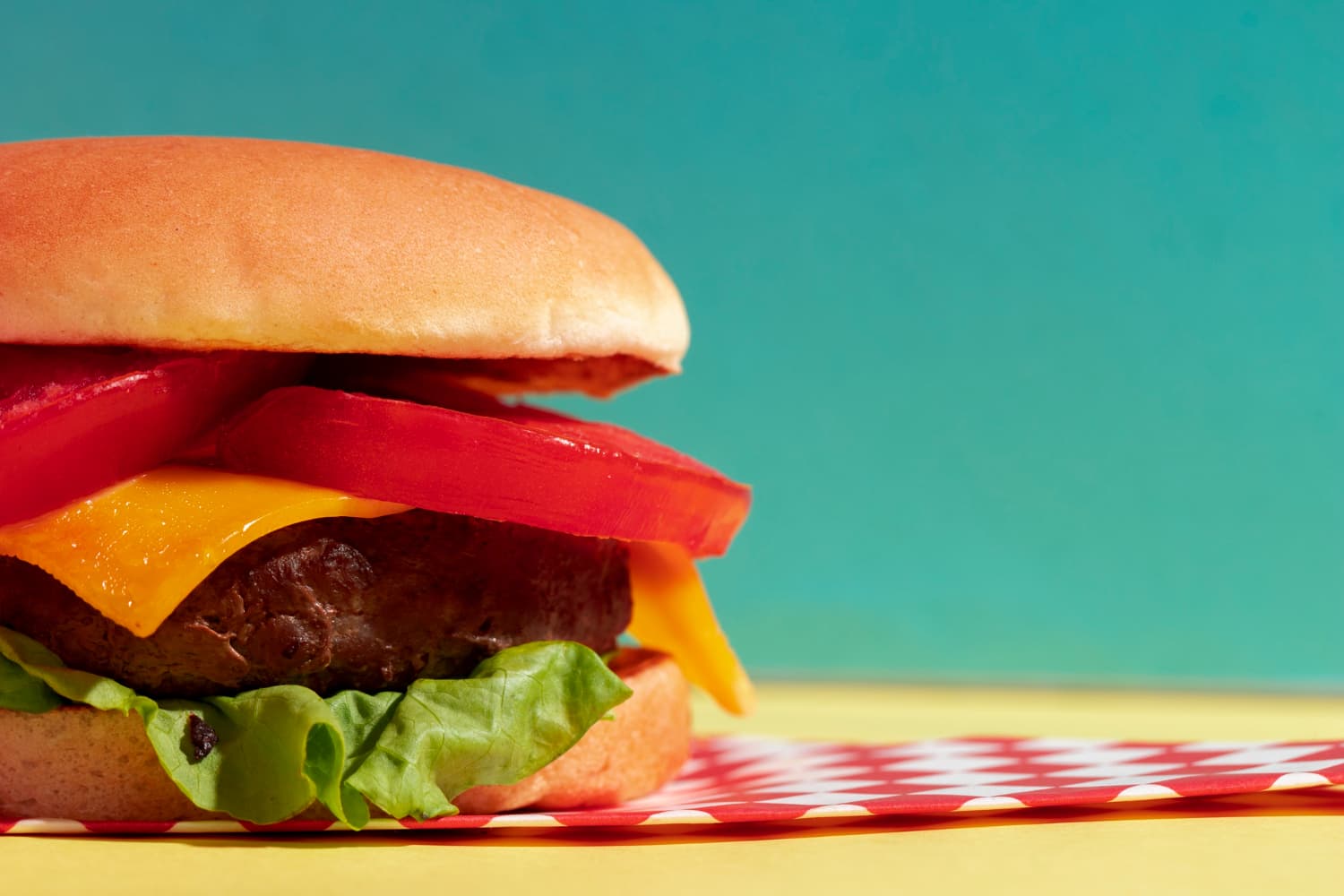
Junk food didn’t become popular by accident. It took over because it works, not for you, but for business. That wasn’t a coincidence. It was behavioural design.
Consumerism thrives on selling more through speed, convenience, and predictable repeat behaviour. Food was no exception. The ideal product was designed to be:
- Cheap to produce
- Easy and quick to distribute
- Highly profitable
- And above all, hard to resist
That’s where junk food became the perfect consumer product. Not because it nourished us, but because it sustained consumption.
But it wasn’t just the formula of the food. It was the persuasive tactics of marketing. They spoke directly to our vulnerabilities, our desires, and our senses. Masked as comfort, reward, social connection, even identity. Advertisements didn’t sell burgers, they sold happiness and belonging. Quick fixes disguised as small moments of pleasure in a busy day, a brief escape from everyday stress.
It was everywhere. It was fast. And almost without noticing, we stopped eating food and started consuming products.
How Consumerism Rewired the Way We Eat
We like to think our food choices are personal decisions. In reality, our environment shapes our behaviour more than we realise. Junk food is everywhere: at checkout counters, in advertisements, on delivery apps, in vending machines, and even in the colors and visuals designed to trigger cravings. These cues don’t wait for hunger. They create it.
Food stops being something you eat to satisfy a biological need. Instead, you eat out of boredom, stress, or convenience. Over time, this disconnect can blunt your ability to recognise natural hunger and fullness signals. You stop eating intuitively and start overeating because your surroundings suggest it.
Junk food culture didn’t just sell products, it sold a lifestyle that normalised convenience over awareness, and consumption over nourishment, but convenience without nourishment is a short-term solution with long-term consequences.
Healthy Food and Junk Food Compared
Junk food is often framed as the convenient option. True convenience is not needing to recover from your food choices. Unlike unhealthy food, healthy food works with your biology, not against it. Still contemplating whether to choose fast food or healthy food options?
Healthy vs Unhealthy Food
| Aspect | Healthy Food | Junk Food |
|---|---|---|
| Nutritional Value | Rich in vitamins, minerals, fibre, and antioxidants that support body function | Low in essential nutrients, "empty calories" cause deficiencies over time |
| Energy Levels | Provides steady energy throughout the day and better sleep | Causes quick energy spikes followed by crashes |
| Weight Management | Promotes satiety, helping maintain a healthy weight | Contributes to weight gain and obesity |
| Heart & Metabolic Health | Supports healthy cholesterol, blood pressure, and blood sugar | Causes heart disease, high blood pressure, type 2 diabetes |
| Digestion & Gut Health | High fibre supports digestion and a healthy gut microbiome | Low fibre can cause digestive issues like constipation |
| Mental Health & Brain Function | Supports mood, cognitive function, and emotional stability | Linked to mood swings, brain fog, and risk of depression |
| Immune Function | Strengthens immune system and helps fight illness | Weakens immune response |
| Long-Term Health Impact | Reduces risk of chronic diseases and supports long-term health | Increases risk of chronic diseases |
The Psychological Toll of Junk Food
Food doesn’t just affect your body weight. It affects how you feel, think and function.
What you eat directly influences how you feel. Our gut and brain are in constant communication. An unhealthy diet can weaken the gut microbiome linked to higher risks of anxiety, depression, and mood instability. Healthy gut, healthier mind.
Nutritious foods help stabilise mood, while ultra-processed foods may increase anxiety and low mood. While, junk food becomes the default coping mechanism for stress, boredom, and emotional discomfort. Instead of addressing the root cause, it offers a quick, temporary distraction.
Why Is Junk Food So Hard to Resist?
If it feels hard to resist, that’s not a lack of willpower. That’s design.
Junk food is carefully engineered to be addictive, built on precise combinations of sugar, salt, and fat that stimulate the brain’s reward system. When you eat it, your brain releases dopamine, the neurotransmitter tied to pleasure and motivation. That surge of reward doesn’t leave you satisfied, it leaves you wanting more.
You eat → you feel good → you crave more → you repeat.
Over time, that constant overstimulation dulls your sensitivity to natural foods. Fruits, vegetables, and whole meals begin to feel less exciting, not because they are unsatisfying, but because your brain has adapted to artificial intensity that hijacks your reward system.
Junk food culture runs on craving, not contentment. Because a satisfied consumer stops consuming.
So when resisting feels less like a choice and more like fighting an impulse, remember: it’s not a lack of self-control. It’s neuroscience.
How to Stop Craving Junk Food?
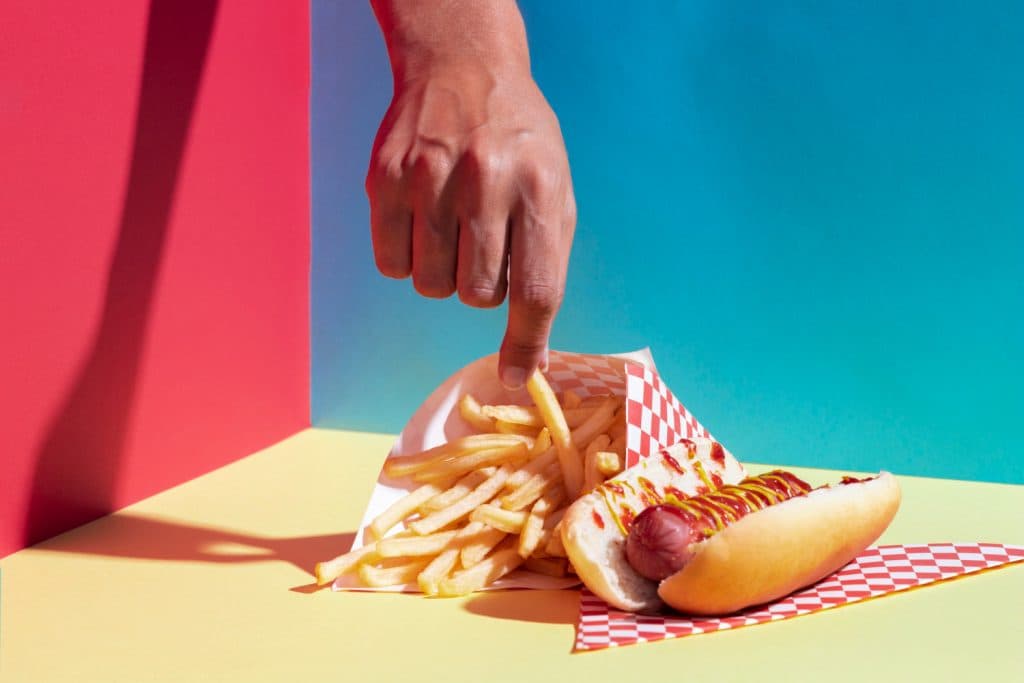
The Instant Gratification Trap: Junk food fits perfectly into a culture built around instant pleasure with minimal effort. But that comes at a cost. While you might feel a surge of energy shortly after eating, that energy is then followed by a crash. Fatigue, brain fog, irritability, and cravings soon set in.
The cycle repeats, keeping you dependent on the very foods that caused the crash in the first place. Over time, these spikes and drops of energy can disrupt your mood, focus, and productivity. This isn’t nourishment. It’s an energy rollercoaster. On the other hand, healthy food gives you steady energy and supports your emotional and mental well-being.
In simple terms, Junk food stimulates you temporarily. Healthy food sustains you.
Is Junk Food Really Cheaper?
One of the most common myths of junk food culture is that it’s the affordable option. That may have once been true. Today, it no longer holds up. Takeaways, delivery fees, packaged snacks, and convenience meals add up fast. And that’s just the financial cost. The real price goes far beyond the receipt:
- Increased medical expenses
- Reduced energy and productivity
- Lower quality of life
- Chronic health conditions like heart disease, type 2 diabetes, and obesity
Ironically, junk food isn’t as cheap as it once was. The price gap is shrinking, and what feels small upfront can cost your health and end up far more expensive over time.
Meanwhile, healthy food is an investment in the long run. Every bite is a vote for the life and the body you want.
Read more about healthy snacks here.
How to Stop Eating Junk Food?
Changing your habits doesn’t require perfection. It requires awareness. Start small:
- Pay attention to how different foods make you feel, not just immediately, but hours later.
- Choose whole, nutrient-rich foods.
- Stay hydrated
- Eat regularly to avoid intense cravings and overeating.
- Avoid keeping highly processed snacks within reach.
- Focus on progress, not restriction.
- Get enough sleep.
- Junk the junk food in your space.
- Tune into intuitive eating instead of impulse.
- Prioritising long-term health over short-term convenience.
- Try healthy meal prep services instead of unhealthy food takeaways.
You don’t need to eliminate fast food completely. A balanced approach, like the 80/20 principle, allows room for enjoyment while prioritising nourishment.
Healthy Food Made Easy: The New Definition of Convenience
If Junk food culture taught us one thing, it is to eat for convenience, minus the hassle of planning or prepping. Now, you have the opportunity to eat easy and healthy food every day without compromising your convenience or wasting time. Try the Calo App, where every meal is so delicious and nutritious that it becomes your easiest decision ever made!
The Takeaway: Eating Healthy vs Junk Food
One of the biggest illusions of junk food culture is the idea that it saves you money. But the truth is: There is always a cost. You either pay now with intention, nourishment, and quality, or you pay later with fatigue, declining health, and recovery.
Healthy food isn’t a luxury. It’s a return to what food was always meant to be: nourishment, stability, and care. And today, healthy meal options are more accessible than ever.
The real question isn’t whether junk food is convenient. It’s whether it’s serving you, or whether you’re serving the system behind it.
Read more about healthy living and eating healthy on a budget here, or explore more topics related to health on the Calo blog.