Back to blog
Fibremaxxing and The Fermentation Fix
Fibremaxxing for Gut Health
Ways to Fibremaxx
Fermented Foods
Unlocking Polyphenols
Action Plan
Healthy Meal Delivery
Ways to Fibremaxx
Fermented Foods
Unlocking Polyphenols
Action Plan
Healthy Meal Delivery
Prioritising gut health is the single most important focus in the pursuit of good health. It is the foundation of our immunity, mood, and energy. With 70% of our immune system residing in the gut and 95% of our serotonin (the happiness hormone) produced there, the state of your microbiome dictates much more than just digestion. This year, we are seeing a shift away from restrictive dieting toward Fibremaxxing and metabolic support. This article will explain the importance of fibre to nourish our gut bacteria and provide actionable tips to support a thriving gut microbiome.

The Rise of Fibremaxxing and Why It Supports Gut Health
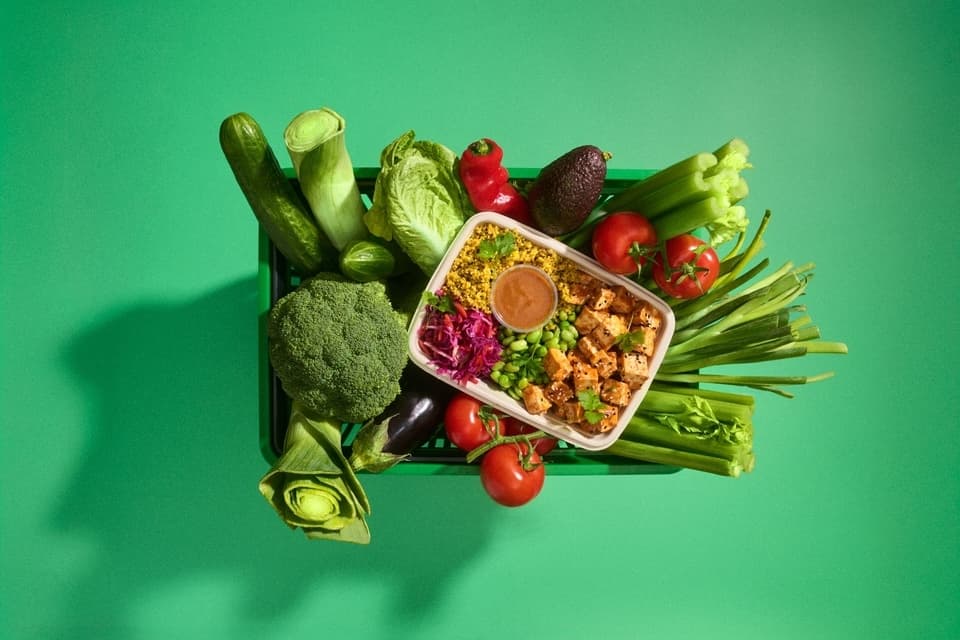
A nutrition trend that has gone rampant on social media, and for once, it is not a clickbait FAD diet. Fibremaxxing is the practice of intentionally maximising fibre intake to support metabolic health.
This is particularly pivotal due to the rise of GLP-1 medications, which decrease appetite, making intentional eating of foods high in fibre even more necessary. When we eat, it is beneficial to think that we are ‘eating for two’; us and our gut microbes.
Why It Matters
We have a symbiotic relationship with our gut bacteria, meaning we eat food (fibre) to feed our microbes, and they ferment this fibre to produce Short-Chain Fatty Acids (SCFAs), which have far-reaching benefits on our health.
SCFAs have been reported as the most potent anti-inflammatory compounds, especially butyrate. These powerful molecules maintain a formidable gut barrier (reinforcing the tight junctions that prevent ‘leaky gut’) and lower systemic inflammation.
The 30 Plants Rule
For the best Fibremaxxing results, focus on diversity, not just quantity. Aim for 30 different plant foods per week. This sounds overwhelming, but it includes herbs, spices, nuts, seeds, and coffee beans.
Different microbes like different foods. A diverse diet creates a diverse, resilient microbiome capable of producing more SCFAs.
Read more about Gut Health here.
Ways to Fibremaxx
Small upgrades to everyday meals can significantly support gut health. Think of every eating window as an opportunity for fibre.
- Smoothie: Add a large handful of spinach, frozen cauliflower or avocado
- Porridge: Top with chia seeds, whole fruit, and nut butter to feed
- Pasta sauces: Stir in lentils or beans
- Garnish meals with nuts, seeds, and fresh herbs
The Fermented Food Hack
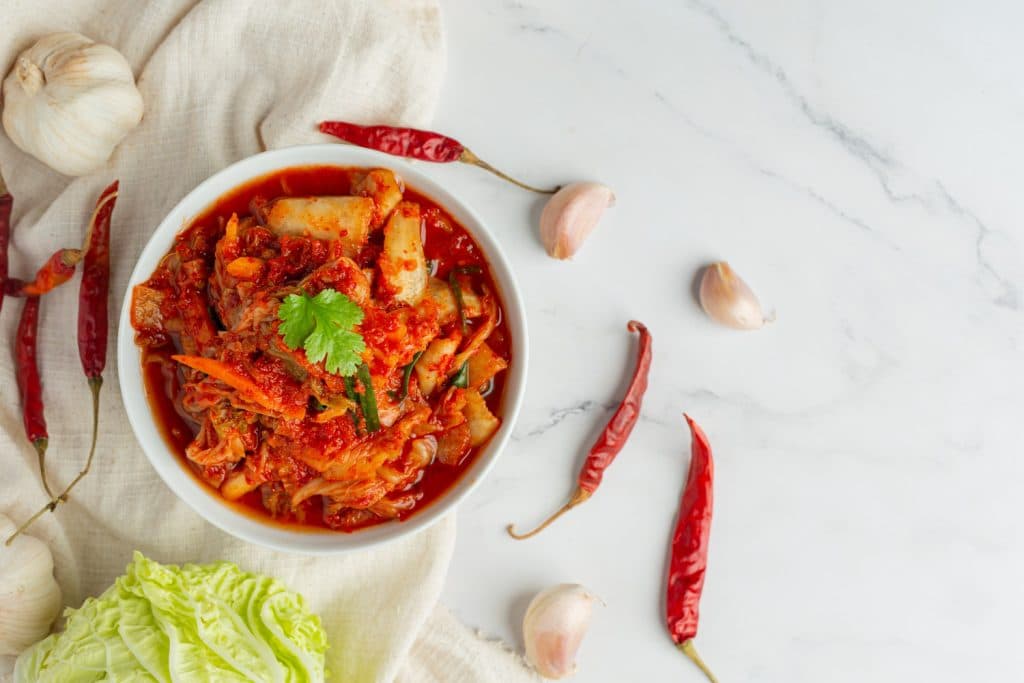
If fibre is the long-term investment, fermented foods are the magic trick. A pioneering study from Stanford University (Prof. Christopher Gardner) compared a high-fibre diet with a high-fermented food diet over 10 weeks.
The Results: The fermented food group saw a significant reduction in 19 inflammatory markers and an increase in microbial diversity that the high-fibre group didn't achieve in the short timeframe (Wastyk et al., 2021).
Actionable Takeaway
Unlocking Polyphenols
Polyphenols are the compounds that give plants their vibrant colours. However, 90–95% of polyphenols need to be ‘unlocked’ by gut microbes before your body can use them (Singh et al., 2019).
- The Cycle: You eat fibre → this creates a healthy microbial ecosystem → microbes have enzymes which unlock the polyphenols → polyphenols reduce inflammation and promote a healthier microbial environment.
Interestingly, a study found that daily consumption of Extra Virgin Olive Oil (EVOO) increases gut diversity, likely due to its rich polyphenol and healthy fat content (D’Archivio et al., 2022).
Your Action Plan for a Healthy Gut
The old five-a-day message on fruits and vegetables is outdated. Instead, build your diet around five foundational pillars each day. Incorporating these in your diet will significantly strengthen your internal ecosystem.
- Wholegrains
- Whole fruit
- Polyunsaturated fats such as extra virgin olive oil, oily fish, and seeds
- Nuts and seeds
- Beans and legumes
Fibremaxxing Gradually
Increase fibre slowly to avoid bloating. Start by adding chia seeds to breakfast or swapping white rice for quinoa. Drink extra water to help the fibre move.
Eat the Rainbow
Diverse plants = diverse microbiome.
Add the Ferments
Sneak a spoonful of sauerkraut into a salad or have a shot of kefir in the morning, or sub your stock cubes for miso or kimchi.
Respect the Rhythm
Align with your circadian rhythm. Eat earlier in the day when insulin sensitivity is higher, and get morning sunlight to regulate the sleep-wake cycles that influence gut repair.
Read more about Blood Sugar Regulation here.
Healthy Meal Delivery
A balanced diet meal plan is paramount for good health and feeling your best. Download the Calo App; our meal prep service offers delicious meal plans, delivered right to your door. We carefully design fibre-rich meals to nourish your gut microbiome without you having to think about it!
FAQs: Fibermaxxing & Fermented Foods
What food that is good for gut bacteria and digestive health?
Plant-based foods high in fibre, such as legumes, oats, berries, flaxseeds, nuts, vegetables, and whole grains, are excellent for microbial nourishment. Including fermented options can further encourage balance and diversity.
What is fibremaxxing and how does it work?
Fibremaxxing is the intentional strategy of optimising each meal to maximise fibre intake. Try to see each window of eating as an opportunity to eat more fibre.
What are fermented foods and how do they support your gut health?
Fermented foods are foods that have undergone natural fermentation by microbes outside of the body. This process gives them a more complex flavour profile while also producing beneficial compounds. When you eat them, you ingest live microbes, microbial metabolites, and pre-formed SCFAs that can interact with your gut environment.
How do fermented foods and gut bacteria work together?
Live microbes from fermented options interact with resident microbes, influencing diversity, communication, and overall digestive balance. Microbes from fermented foods may die in our body after about a week. It has been postulated that the receptors on these dead microbes interact with our immune system to have beneficial effects.
Fibremaxxing may be a TikTok trend, but it is firmly rooted in scientific research. Increasing our intake of plant foods and fibre has profound potential to transform long-term health. Read more about the Low FODMAP Diet and Vagus Nerve Stimulation, and more topics related to health on the Calo blog.