Back to blog
The GLP-1 Effect: How It Shapes Our Approach to Nutrition
With more people using GLP-1 medications to manage weight and appetite, the way we eat is changing. While we always advocate a food-first approach to health, this shift presents an important opportunity: when appetite is reduced, nutrition quality becomes more critical than ever.
At Calo, we see the rise of GLP-1 drugs not as a replacement for good nutrition, but as a reminder of principles we’ve long prioritised: blood sugar balance, fibre diversity, adequate protein, and nutrient-dense meals that support metabolic health.
In this article, we explore how the food landscape is evolving alongside GLP-1 medications, and how these enduring nutritional fundamentals continue to guide our approach to supporting health, with or without medication.

GLP-1 is More Than an Appetite Hormone
Short for (glucagon-like peptide-1) is a hormone produced in the gut that plays a central role in metabolic health. While medications that mimic this hormone have gained attention for weight loss, their physiological effects extend beyond just appetite suppression (Drucker, 2018).
- Blood Sugar Management: It enhances the body’s natural ability to handle glucose by increasing insulin production and decreasing glucagon. This dual action is critical for preventing those sharp blood sugar spikes after meals.
- Appetite and satiety: Acting on the brain to reduce hunger and slow gastric emptying to prolong fullness.
GLP-1 is not only something we inject, but it is also something the body produces naturally.
Read more about the foundations of gut health here.
Fibre, the Gut, and Natural GLP-1 Production
Endogenous GLP-1 is released in response to short-chain fatty acids (SCFAs), anti-inflammatory compounds produced when gut bacteria ferment dietary fibre. These SCFAs support gut integrity, regulate inflammation, and stimulate GLP-1 release.
Additionally, reduced appetite can unintentionally reduce fibre intake, something many people already struggle with.
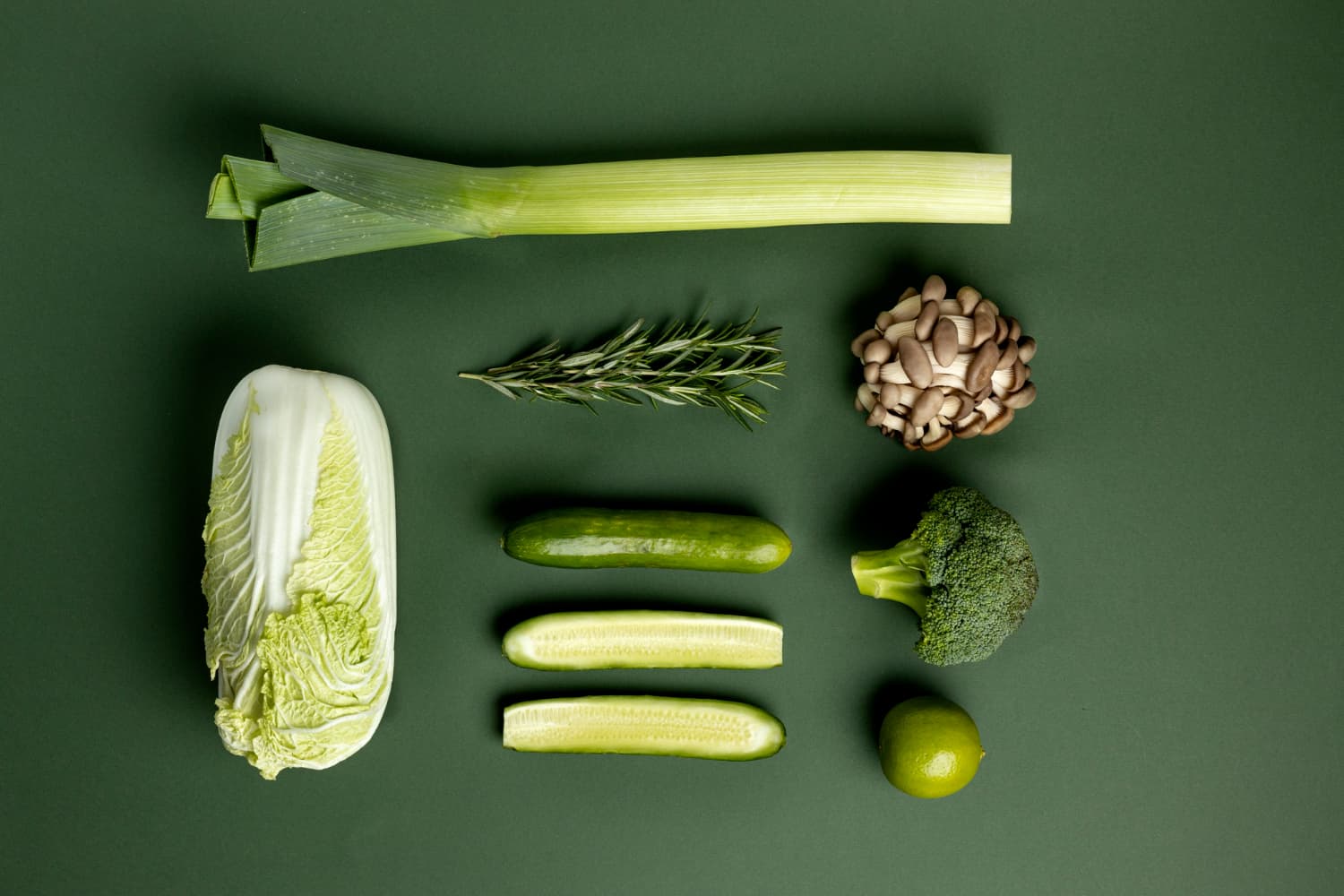
At Calo, we prioritise plant diversity, encouraging clients to aim for 30 different plant foods per week. This includes vegetables, fruits, legumes, whole grains, nuts, seeds, herbs, and spices.
- The mechanism: Greater plant variety supports a more diverse gut microbiome
- The result: Increased SCFA production, improved gut health, and natural support for GLP-1 activity
Simple additions, like seeds and herb garnishes, can make a meaningful difference.
Read more about a gut-healthy diet here.
How the GLP-1 Landscape Has Shaped Our Approach
GLP-1 medications reduce appetite and slow gastric emptying. As a result, people naturally eat less food overall. While this can support weight loss, it also means food quality matters even more.
This is why we are currently conducting a full sugar audit across our menus, reducing both added and naturally occurring sugars that can unnecessarily spike insulin. Our goal is to ensure that meals support stable blood sugar levels, sustained energy, and long-term metabolic health, regardless of whether someone is using the medications or not.
We also offer flexibility in meal choices. For some people, opting for savoury breakfasts and snacks instead of sweet options can be a simple but effective way to improve blood sugar regulation throughout the day.
Our menus are designed to make every bite count:
- Prioritising complex carbohydrates that provide steady energy
- Including high-quality proteins to support satiety and muscle mass
- Using healthy fats, such as olive oil, oily fish, nuts, and seeds, to naturally slow gastric emptying and prolong fullness
The GLP-1 Nutrition Checklist
How to eat in a pattern to support people after following GLP-1 drugs and to promote its natural release/ support its actions.
- Prioritise Protein: Rapid weight loss often results in muscle loss. Our high-protein plans provide 40-50% of energy from protein and are designed to preserve lean muscle mass and keep you fuller for longer.
- Hydration & Blood Sugar: A study found that people drinking less than half a litre of water per day were significantly more likely to have high blood sugar. Hydration improves blood sugar control (Roussel et al., 2011).
- The Fibre Gel: Soluble fibre mixes with fluid to form a gel-like substance. This slows the absorption of glucose into the bloodstream and induces the natural release of the hormone.
- Healthy Fats: Incorporating healthy fats helps delay the rate of gastric emptying naturally, prolonging satiety.
- Complex over Simple: Avoid simple carbohydrates like white bread and pasta, which cause rapid spikes. Opt for complex structures that release energy slowly.
Read more about Protein for Vegans here.
Healthy Meal Delivery
Calo carefully designs each meal to be rich in fibre to support your health. Download the Calo App; our meal prep service offers delicious meal plans, delivered right to your door. Book a free consultation with our nutritionist to discuss your symptoms and find a plan that works for you.
FAQ
How does GLP-1 work for weight loss?
GLP-1 for weight loss works by reducing appetite, slowing gastric emptying, and improving blood sugar regulation. This can support reduced calorie intake, but long-term success still depends on food quality, protein intake, fibre diversity, and overall nutritional adequacy.
Does GLP-1 work?
This depends on how it is used and supported. It influences appetite regulation and metabolic health, but outcomes are strongest when medication is combined with balanced nutrition and sustainable eating patterns.
Is GLP-1 safe?
Safety can vary between individuals and should always be assessed with a healthcare professional. From a nutrition perspective, ensuring adequate protein, fibre, and micronutrient intake is essential to support health while using GLP-1 medications.
What does GLP-1 do?
It enhances insulin secretion, reduces glucagon release, slows digestion, and increases satiety signals between the gut and brain. These effects contribute to improved blood sugar control and appetite regulation.
Conclusion
GLP-1 medications may be changing how much people eat, but they don’t change what the body needs. Food remains the foundation, and when appetite is lower, its quality matters more than ever. At Calo, we believe the rise of GLP-1 reinforces what good nutrition has always been about: real food, blood sugar balance, gut health, and nutrient density. Read more about the 80/20 rule for consistency and how to improve your immunity on the Calo blog.