Back to blog
Sesame Oil and Sesame Seeds Benefits for Body, Hair, and Skin Health
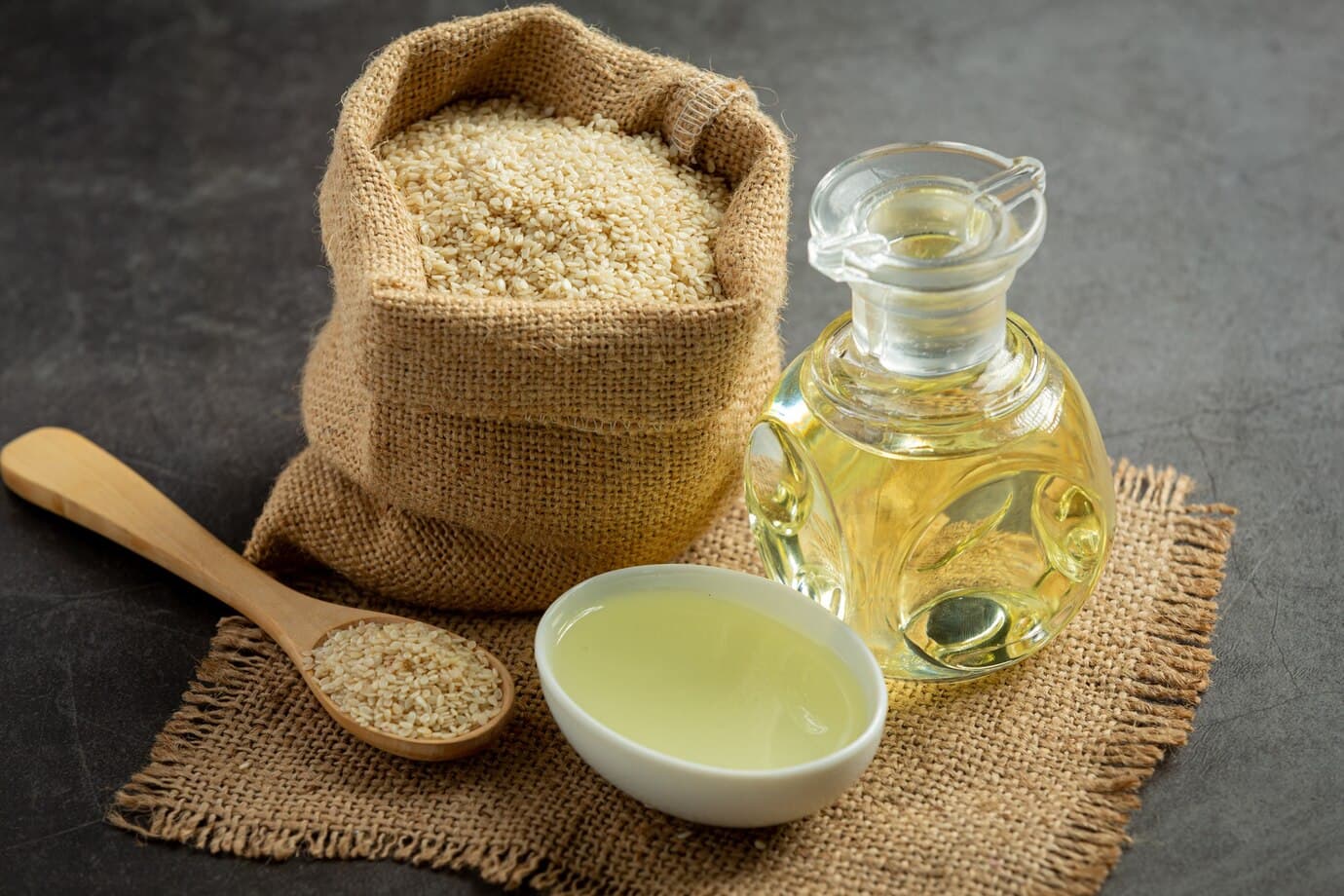
Sesame Seeds Benefits
What are sesame seeds? Are there more than one type?
Sesame Oil Benefits
How to Add Sesame to Your Diet
Possible Side Effects of Sesame
Healthy Food Delivery
What are sesame seeds? Are there more than one type?
Sesame Oil Benefits
How to Add Sesame to Your Diet
Possible Side Effects of Sesame
Healthy Food Delivery
Sesame offers a wide range of health benefits. It's packed with nutrients that support the body in many ways, including helping to guard against chronic conditions like diabetes, heart disease, and arthritis. Its natural anti-inflammatory properties can ease joint pain, and the high calcium in sesame supports healthy skin and better elasticity. Sesame seeds come from the pods of the Sesamum indicum plant and have been valued in traditional medicine for thousands of years.
Sesame oil also has plenty to offer. It's a nourishing plant-based oil rich in antioxidants and healthy fats, including omega-6 and omega-9. One of its standout qualities is its ability to support heart health by helping to manage cholesterol levels. It’s also the perfect choice in skincare and haircare routines, thanks to its ability to deeply moisturize the skin and add softness and shine to hair. With a mix of important vitamins and minerals like vitamin E, calcium, and magnesium, sesame oil can also support strong bones and a healthy immune system when included regularly in meals.

Sesame Seeds Benefits
Sesame is a true nutritional gem, bringing together great flavor and a wide range of health benefits. It’s packed with valuable nutrients like calcium, iron, zinc, magnesium, and fiber, along with powerful antioxidants such as sesamin and sesamol. If you struggle to maintain your bones' strength, especially when you workout, you will find that sesame can improve your bones health, while also supporting heart health by helping to lower cholesterol and regulate blood pressure.
Sesame also supports better digestion and can help maintain steady blood sugar levels, which makes it a smart option for people managing diabetes. Its mix of vitamin E and healthy fats helps nourish your skin and strengthen hair, adding to its many wellness benefits. Whether you prefer to eat it as whole seeds or use it in oil form, sesame brings real nutritional value to everyday meals.
Here’s a breakdown of some of its other health benefits:
Sesame Seeds Benefits for Bones

Thanks to their high levels of calcium and magnesium, sesame seeds can support strong bones and may help lower the risk of osteoporosis over time. This makes them a great option for people who avoid dairy. However, sesame seeds also contain natural compounds called oxalates and phytates, which can make it harder for the body to absorb some minerals.
The good news is that simple preparation methods like soaking or roasting can help reduce the impact of these compounds. In fact, one study found that sprouting sesame seeds lowered the levels of phytates and oxalates by about 50% in both hulled and unhulled seeds. Unhulled sesame seeds, in particular, are packed with nutrients that support bone health, including calcium. So whether you soak, roast, or sprout them, these steps can make it easier for your body to take in the minerals sesame seeds offer!
A Natural Source of Antioxidants
Sesame seeds contain two standout compounds, sesamin and sesamol, that are known for their strong antioxidant effects. These compounds help the body manage oxidative stress, which is linked to aging and a variety of long term health issues. They also play a part in calming inflammation and supporting the body’s natural healing process.
Chronic, low-grade inflammation is thought to contribute to many health conditions, including obesity, heart disease, kidney problems, and even some types of cancer. By helping to reduce this kind of inflammation, the compounds in sesame may offer real support for long term health.
Balances Cholesterol and Supports Heart Health
Sesame seeds are a great source of healthy fats that can support heart health. Research shows that regularly including sesame in your diet may help lower levels of harmful LDL cholesterol while increasing good HDL cholesterol. This is largely due to the natural fat profile of sesame seeds, they're made up of about 41% polyunsaturated fats and 39% monounsaturated fats, with only a small amount of saturated fat. This kind of balance is considered heart friendly, especially when these healthier fats replace more saturated fats in the diet.
Sesame also contains plant compounds like phytosterol lignans, which are known to help lower cholesterol. In one study involving people with high blood fats, eating around 40 grams of hulled sesame seeds daily for eight weeks led to a noticeable drop of about 10% in LDL cholesterol and 8% in triglycerides.
Health Benefits of Sesame Seeds for Women
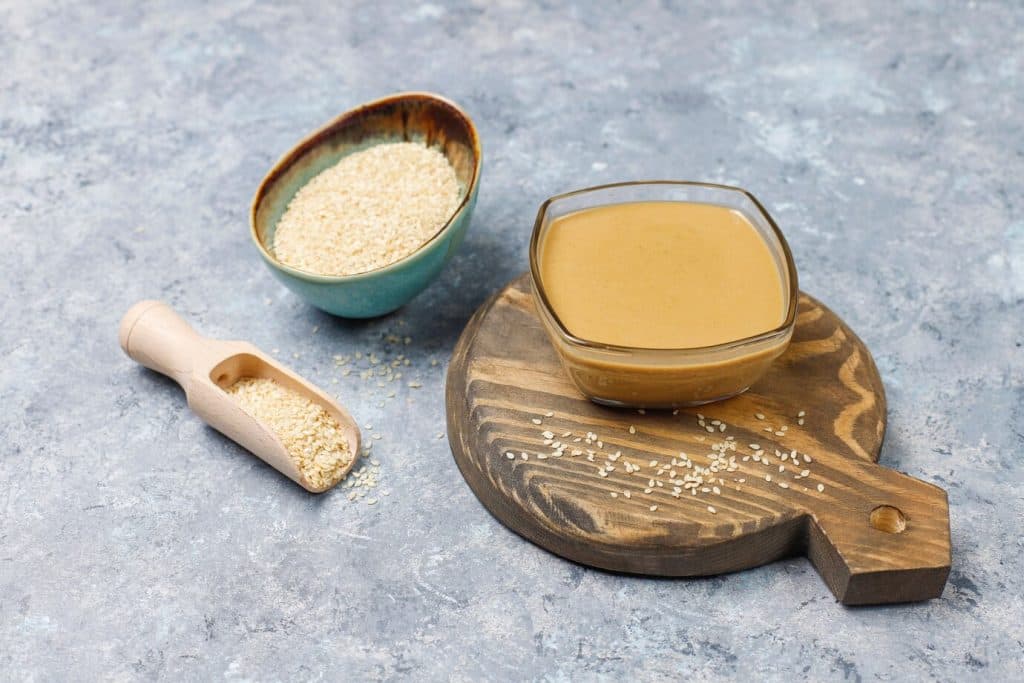
They contain natural plant compounds called phytoestrogens, which work in a way that’s similar to the hormone estrogen. These compounds can help support hormonal balance, especially during the menstrual cycle. Sesame’s mix of antioxidants and healthy fats also plays an important role in improving skin tone and strengthening hair, making it a good choice for both overall wellness and appearance.
One group of compounds in particular, known as lignans, can mimic estrogen in the body. This may offer some relief from common symptoms of menopause, such as hot flashes, and can be especially helpful for women with low estrogen levels. But sesame seeds benefits aren’t limited to women! These compounds may also support hormonal balance in men. Beyond symptom relief, some research suggests that phytoestrogens in sesame could even help lower the risk of certain serious conditions, like breast cancer.
The Benefits of Sesame Seeds for Men
Sesame is a great food choice for both men and women, due to its rich mix of nutrients that support energy and strength. It’s especially helpful for men looking to maintain healthy hormone levels and physical performance, as it contains zinc and magnesium, the two minerals linked to testosterone production and hormonal balance.
The healthy fats and antioxidants in sesame also support heart health and promote better blood flow, which can enhance stamina and physical performance. On top of that, sesame helps strengthen bones and muscles, while also supporting skin and hair health. Altogether, it’s a smart addition to the diet for anyone focused on staying active and feeling their best long-term.
Benefits of Sesame for Digestion

Many people struggle with digestive issues like indigestion and irritable bowel syndrome. Can sesame help?
Sesame seeds are a good source of fiber, which helps keep bowel movements regular and prevents constipation. Fiber also supports a steady digestion process by helping you feel full longer and slowing down sugar absorption.
Sesame’s natural oils can help keep the digestive tract smooth, making it easier for food to pass through. It may also help calm mild inflammation in the stomach and intestines..Sesame can be a helpful choice for those dealing with ongoing or occasional digestive discomfort.
What are sesame seeds? Are there more than one type?
The seeds come from the sesame plant (Sesamum indicum) and have been used for thousands of years in cooking and baking, as well as in skin and hair care. They’re known for their rich, nutty flavor.
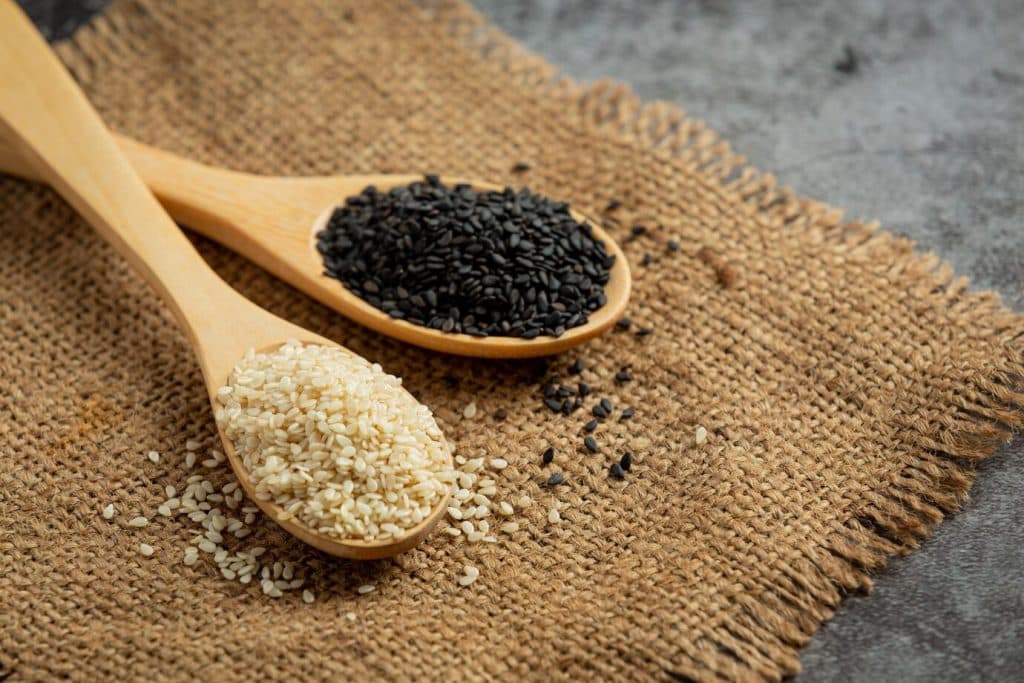
There are two main types: hulled (without the outer shell) and unhulled (with the shell intact). Both are nutritious, but unhulled seeds usually offer more fiber and minerals. Sources of nutrition include:
- Vegetable protein
- Healthy fats
- Calcium
- Zinc
- Iron
- Magnesium
- Phosphorus
- B vitamins, especially B1 (thiamin) and B3 (niacin)
Sesame Oil Benefits
Sesame oil, made from sesame seeds, is a staple in many Asian and Middle Eastern cuisines. Beyond its flavor, it offers various health benefits and can be used in cooking, massage, and skincare.
While sesame oil is often used externally, it can also be used in salads or recipes from Chinese, Japanese, and Middle Eastern cuisines, much like olive oil. Its distinct nutty taste makes it a healthy alternative to other cooking oils. Sesame seeds, from the Pedaliaceae family, are rich in proteins, B vitamins, and antioxidants. Here are the two main types of sesame oil:
- Toasted sesame oil: dark and aromatic, used to add flavor to dishes.
- Cold pressed sesame oil (virgin/raw): lighter in color with a milder taste, packed with more nutrients.
What Are the Main Benefits of Sesame Oil for the Body?
Sesame oil offers many of the same benefits as raw sesame seeds, but it’s also popular in face masks and hair and skincare products. Here are some of its key benefits:
- Improves digestion: its fiber content helps with bowel movements, prevents constipation, and supports overall digestion by regulating sugar absorption and promoting fullness.
- Soothes the digestive system: the natural oils in sesame oil moisturize the intestinal walls, easing food passage, while plant compounds may help reduce mild inflammation.
- Fights signs of aging: rich in vitamin E, it acts as an antioxidant that helps reduce wrinkles and fine lines.
- Hydrates skin: natural oils nourish and soften skin, providing deep hydration.
- Calms skin: its antibacterial and anti-inflammatory properties help reduce acne and irritation.
- Enhances skin radiance: regular use can give your skin a healthy, glowing appearance.
- Strengthens hair: sesame oil nourishes the scalp and strengthens hair follicles, reducing hair loss and promoting growth.
- Improves hair texture: it adds shine and softness while treating dryness and split ends.
How Can You Add Sesame and Sesame Oil to Your Diet and Daily Routine?
A varied diet makes it easy to include beneficial ingredients like sesame seeds in your meals. Try these ideas:
- Sprinkle sesame seeds on salads, smoothies, or roasted vegetables.
- Add tahini (a smooth sesame paste) to main dishes like hummus or baba ghanouj, or dip dates in it for a simple dessert.
- Use cold-pressed sesame oil in stir-fries and sautés for a light touch, and finish soups, pasta, or dressings with toasted sesame oil, especially in Asian-inspired dishes.
- Apply sesame oil to your skin for deep hydration, or use it as a massage oil during facial yoga.
Possible Side Effects of Sesame
We’ve already highlighted sesame seeds benefits for the body and skin, but keep in mind that sesame allergies are possible. If it's new to your diet, introduce it gradually. They can cause allergies for some people. Also, since sesame oil is calorie-dense, being mindful of how it fits into your daily intake is important, moderation is important if you're watching your calories.
Despite their small size, sesame seeds are packed with nutrients. Whether you want to boost calcium, care for your skin, or add a tasty touch to your meals, sesame seeds and oil are excellent choices. With their long history and proven benefits, they offer a well-rounded approach to supporting your health inside and out.
Healthy Meal Delivery
Want to make healthier changes to your diet but don’t know where to start? Sticking to a healthy meal plan can be tough, especially with a busy schedule. That’s why we offer the Calo app, which provides a range of healthy meal plans tailored to your diet. Plus, you can get advice from our nutrition experts with your first subscription. And if you need healthy snacks during work breaks, we've got you covered with a variety of options, including special choices for your kids.
FAQ
Which is better: roasted or raw sesame?
Both roasted and raw sesame have unique benefits, with differences in taste, nutrition, and use. Raw sesame retains more nutrients, especially antioxidants and heat-sensitive vitamins like B vitamins. It's rich in calcium, iron, and fiber, making it a great choice for increasing nutritional value. Raw sesame can be added to smoothies, sprinkled on yogurt, or used in baking.
Both roasted and raw sesame have unique benefits, with differences in taste, nutrition, and use. Raw sesame retains more nutrients, especially antioxidants and heat-sensitive vitamins like B vitamins. It's rich in calcium, iron, and fiber, making it a great choice for increasing nutritional value. Raw sesame can be added to smoothies, sprinkled on yogurt, or used in baking.
Roasted sesame has a stronger, richer flavor due to the roasting process, which enhances the natural oils. It’s often preferred in cooking, added to dishes, or used to make tahini. While roasting may slightly reduce some vitamins, roasted sesame is still beneficial and easier to digest for some. The best choice depends on your needs, raw for nutritional benefits, roasted for flavor.
Does sesame contain vitamin D?
Yes, sesame contains a small amount of vitamin D.
Yes, sesame contains a small amount of vitamin D.
Sesame seeds benefits and sesame oil benefits offer great benefits for both internal and external health, including hair and skin care. You can explore more topics, such as the effects of glutathione supplements and creams, the benefits of Ashwagandha, and other health and fitness insights on the Calo blog.