Back to blog
How Long Should You Do Water Fasting (Water Diet)?

Water fasting has gained popularity for its numerous benefits. People rely on it as a short-term diet for weight loss and detoxification. In this article, we'll cover the types of water fasting, its benefits, risks, and answer common questions.

Different Types of Water Fasting
You may think that staying for several days drinking only water without eating any healthy meals is unreasonable, but there are several ways to follow a water diet for a short period of time, including:
Water-only Fasting
This extreme form of the water diet involves not consuming anything but water for a specific period, ranging from one day to several days. It is often used to detoxify or lose weight, but it can be difficult and should be followed with caution.
Eating Foods Rich In Water
This diet includes eating foods that contain high amounts of water, such as fruits and vegetables. This approach enhances the body's hydration while providing essential nutrients and fiber.
Relying On Detox Drinks

This method focuses on consuming only drinks, including water, tea, and flavored water without added sugars or even sugar substitute. The goal of this type is to hydrate the body and get rid of toxins.
Dates and Water Diet
How to fast for 3 days and still feel energized? You may have heard of the date and yogurt diet or the date and milk diet, and the date and water diet is similar in that you eat 21 dates divided into three meals (i.e. 7 dates in each meal of the day) with a glass of water. This type is also considered strict as it is not recommended to follow it for more than three days.
Benefits of the Water Fasting
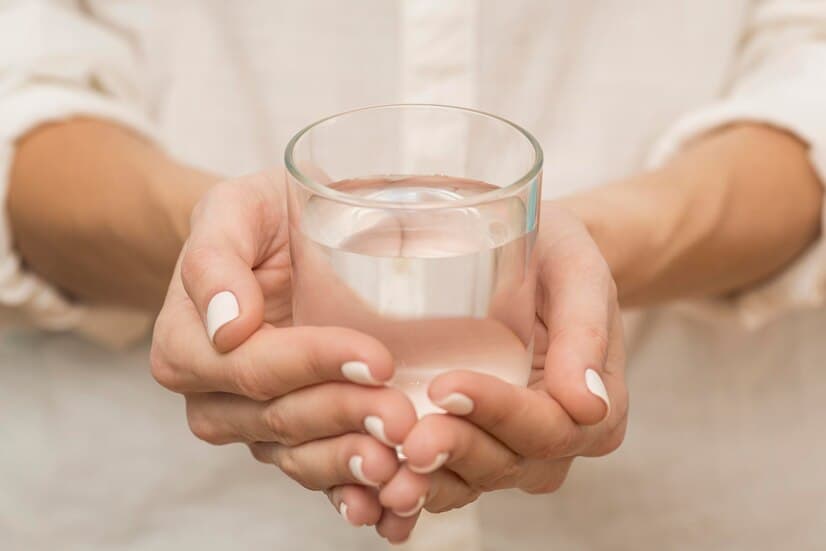
Drinking water and weight loss are somehow related. Some may consider the water diet to be the fastest diet to lose a few kilograms until another diet containing important nutrients is followed. Some might think that it’s similar to intermittent fasting but it’s not. You may wonder about the benefits of the water diet, and here are some of them:
- Improving body hydration
- Enhancing feelings of fullness and appetite control
- Supporting digestive health
- Having a healthier skin
- Helping the body get rid of toxins
Risks
You probably heard of strict diets like Keto and Atkins diets. All of these diets have benefits and risks, and you can know the extent of their effect on your body by consulting a nutritionist and trying to avoid following any diet randomly. Here are some of the risks of the water diet that you should know about:
- Imbalance of salts and minerals in the body: it can lead to an imbalance of what is called electrolytes, which leads to headaches, dizziness, and inability to concentrate.
- Inability to continue: this diet helps to lose weight for a limited period and cannot be maintained for a long time.
- Nutrient deficiency: not getting enough nutrients leads to a deficiency of important vitamins and minerals in the body.
Tips
Does drinking water help lose weight quickly? You may have found the water diet when you were looking for the best diet in a week to lose weight, but you must follow some steps and tips before starting this strict regime, including:
- Drink sufficient amounts of water: you must pay attention to the amount of water you consume during the day, which should not be less than 2 liters per day.
- Avoid deprivation and incorporate foods rich in water: include fruits and vegetables that contain large amounts of water to help your body get minerals and vitamins. This will help you to avoid feeling dizzy due to lack of nutrients.
- Monitor your body: pay attention to your body's signals that may alert you that you are unable to continue with this strict diet, and drink appropriate amounts for your daily activity, especially if you exercise.
- Consult a nutritionist: you must know if your body is able to tolerate the water diet and do not rush to start this without consulting.
Delivering Healthy Meals
Sometimes, you may be looking for a healthy restaurant that includes a subscription service for delivering healthy meals during the month, and can be relied upon throughout the year. At Calo, we provide you recipes that are constantly renewed and a monthly subscription option to deliver healthy meals to your home or workplace.
You can download the Calo app to try our delicious recipes.
FAQ
How long should you follow the water diet?
The safe period for the water diet ranges between 1-3 days, and this period should not be exceeded without consultation.
Who should avoid the water diet?
People with gout and diabetes (types 1 and 2), those who suffer from eating disorders, the elderly, pregnant women, and adolescents are prohibited from following this diet.
Can water reduce hunger and help maintain diet commitment?
Water is an appetite suppressant, which means it can help you stay committed to your diet.
Water fasting is a good opportunity for people who aim to get rid of toxins from the body by following it for a limited period. If you want to know more about other diets such as the Carnivore and the Mediterranean diet, and other topics about health, you can visit Calo blog.