Back to blog
Don’t Detox. Use January For Nourishment
Nature doesn’t bloom all year round, and neither should you. Winter is a season of preparation, when the body needs nourishment to build the foundations for spring and summer.
Instead of extreme deprivation or restriction, like juice cleanses and excessive exercise, remember that your body already detoxifies itself when properly supported. By focusing on four key pillars: Nutrition, Sleep, Mindfulness, and Movement, you can nourish your system and set yourself up to thrive.

Nutrition: Nourishment Not Deprivation
The wellness industry often promotes ways to ‘detox’ your body through products like teas or juice cleanses.
We don’t need to detox as your body is already equipped with an incredibly sophisticated detoxification network, primarily the liver, kidneys, and gut, which operates 24/7. However, these organs require healthy nutrition and eating to function, and therefore, any ‘detox diets’ starve your system.
The Liver: Your Biochemical Powerhouse
The liver is in charge of detoxification, neutralising toxins in a two-phase process.
- Phase I (Activation): Enzymes convert toxins into intermediate forms. This requires B vitamins and antioxidants.
- Phase II (Conjugation): The liver attaches molecules to these toxins so they can be safely excreted. This phase is heavily dependent on amino acids from protein.
The Hero Ingredient: Glutathione. This second phase relies heavily on Glutathione, often known as the body's ‘master antioxidant’. It binds directly to heavy metals and toxins, neutralising them so they can be flushed out safely.
You cannot easily supplement Glutathione effectively; your body has to make it. To do that, it needs specific building blocks:
- Sulphur-rich foods: Garlic, onions, and leeks are essential for synthesis.
- Precursor Amino Acids: Found in lean proteins like chicken, fish, and eggs.
- Cruciferous Vegetables: Broccoli and Brussels sprouts contain compounds that boost your liver's ability to produce it.
- Selenium: A vital mineral found in Brazil nuts and fish that recycles used glutathione so it can work again.
The Gut: The Exit Route
Strong gut health is essential for regulating digestion, inflammation, mood, and metabolism. Fibre feeds our gut bacteria and helps to remove waste efficiently.
- Insoluble Fibre (nuts, wholegrains, fruit skins): Adds bulk to our stool and draws water into the intestine, so we excrete waste and toxins more frequently.
- Soluble Fibre (oats, sweet potatoes, flaxseeds): Binds to toxins and cholesterol to help carry them out of the body.
Instead of cutting carbs, focus on complex carbohydrates and prebiotic foods like garlic, onions, and bananas to feed your gut bacteria and keep your system free from toxins.
The Kidneys: The Filtration System
The kidneys function is vital for naturally detoxifying your body. They filter waste from the blood, and they need hydration to do it well.
Water flushes water-soluble toxins, while minerals like magnesium and potassium help maintain balance. Water-rich foods and leafy greens support kidney health naturally.
Sleep: The Master Reset
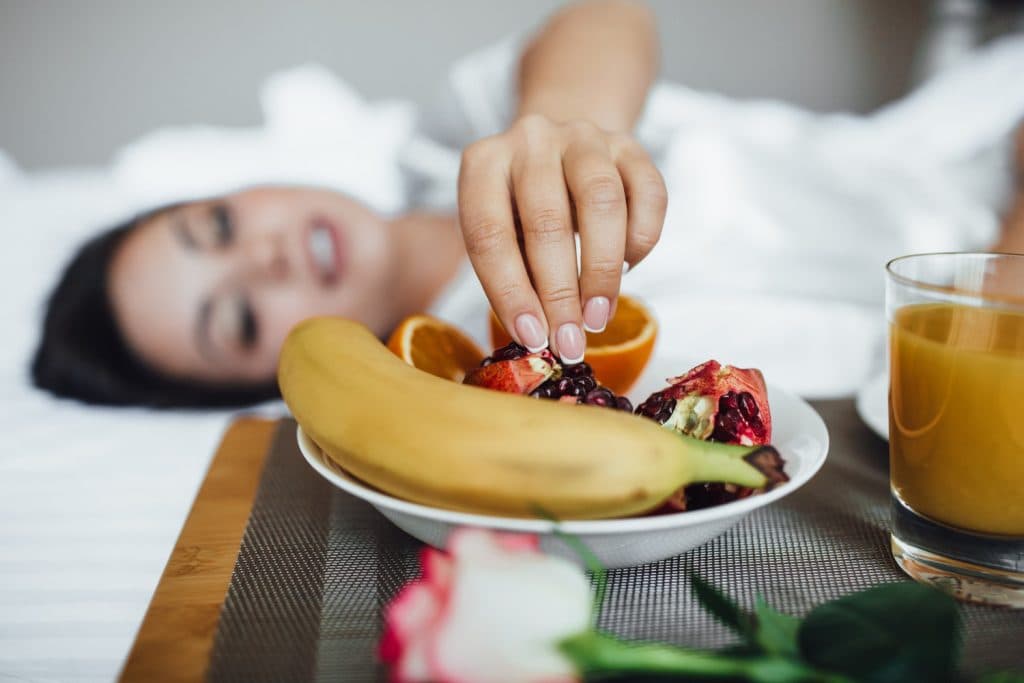
During winter, our circadian rhythms shift, and we need more sleep than in summer. Rather than fighting it, lean into the darker evenings.
Sleep deprivation symptoms may manifest as fatigue, low motivation, or poor focus.
Quality sleep:
- Reduces inflammation and cortisol
- Supports gut health
- Improves cognitive function
Research suggests we even get more REM sleep during winter, so January is a powerful opportunity for restoration.
Read more about Cherry Jucie for Sleep.
Movement: The Pump
Sedentary behaviour leads to stagnation, physically and mentally. You don’t need high-intensity workouts in winter; you just need to be consistent with daily movement.
Movement supports:
- Blood sugar regulation
- Mood and mental health
- Lymphatic drainage (which relies on muscle contraction, not the heart)
Mindfulness: Focus on Kindness Over Restriction
January is cold and dark in the UK. Instead of extreme fitness goals that lead to burnout, return to your normal routine after December. Eat whole foods that nourish you, move your body in ways you enjoy, and prioritise kindness over restriction.
Winter is a time to slow down, set boundaries, and reflect. Rather than aesthetic-driven New Year’s resolutions, ask what habits from last year are worth continuing and how you can best support yourself now. Nourishment begins with a mindset.
It is a month for consolidation and reflection. This can be done through meditation; even a few minutes daily can help regulate stress hormones and prepare you for the energy of spring.
Healthy Meal Delivery
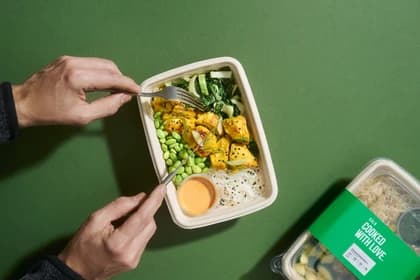
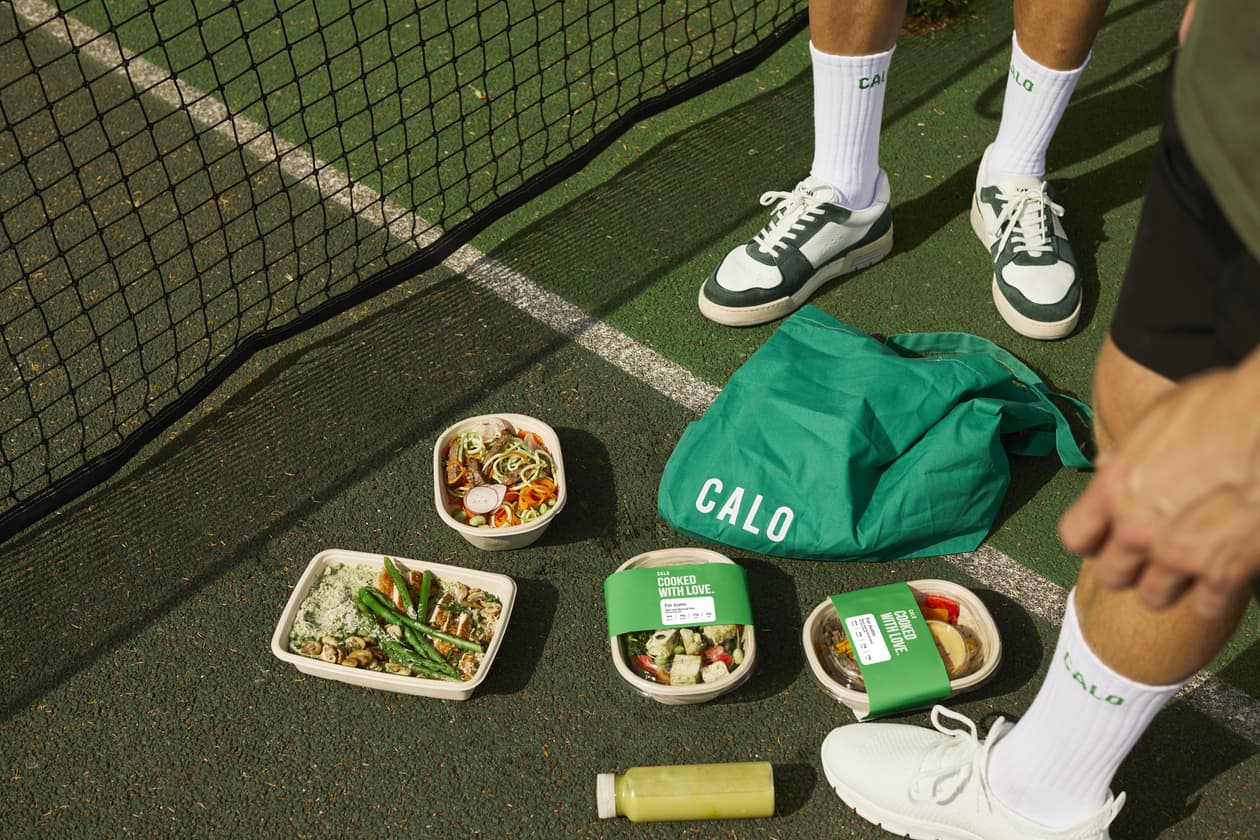
Make the nourishment part easy. Download the Calo App; our meal prep service offers delicious, nutritionally-balanced meals delivered right to your door, helping to support your health during the colder months.
FAQs: True Nourishment
How can you go to sleep faster?
Create a consistent bedtime routine, avoid screens before bed, finish eating at least three hours before sleep, and keep your bedroom cool and dark. These habits support natural melatonin release and faster sleep onset.
What does the liver do?
The liver detoxifies harmful substances, metabolises nutrients, and supports digestion by processing fats, proteins, and carbohydrates. It works continuously and depends on adequate nutrition to function properly.
Does magnesium help you sleep?
Magnesium can support relaxation and sleep quality by calming the nervous system and supporting muscle relaxation. It may be helpful for people experiencing stress or mild sleep disruption.
What is nutrition about?
Nutrition is about providing the body with the nutrients it needs to function optimally, supporting energy, digestion, sleep, immunity, and long-term health, rather than focusing on restriction or quick fixes.
This January, resist the urge to strip your diet back to nothing. Instead, build a healthy foundation through conscious nourishment, both physically and mentally. Read more about healthy winter habits and winter foods here, and more topics related to health on the Calo blog.