Back to blog
How Social Media Affects Our Food Choices
Social Media & Food Choices
Food Trends & Social Influence
Algorithms & Food Choices
How to Make Smarter Food Choices Online?
Healthy Meal Delivery
Food Trends & Social Influence
Algorithms & Food Choices
How to Make Smarter Food Choices Online?
Healthy Meal Delivery
Scroll, double tap, repeat. That’s the rhythm of modern life, and somewhere between travel photos, dance videos, and memes, there’s a steady stream of food content. From colourful smoothie bowls to towering burgers dripping with cheese, social media has turned our food choices into a full-blown spectacle.

How Does Social Media Impact Our Food Choices?
In many ways, the impact of social media on what we eat is undeniable. It inspires us to try new recipes, discover cuisines from across the world, and explore restaurants we might never have heard of. But at the same time, the effects of social media on our food choices can also nudge us more toward aesthetics and hype than nourishment.
Like a menu written by the internet, our feeds are quietly shaping what we crave.
We Really Do “Eat With Our Eyes”
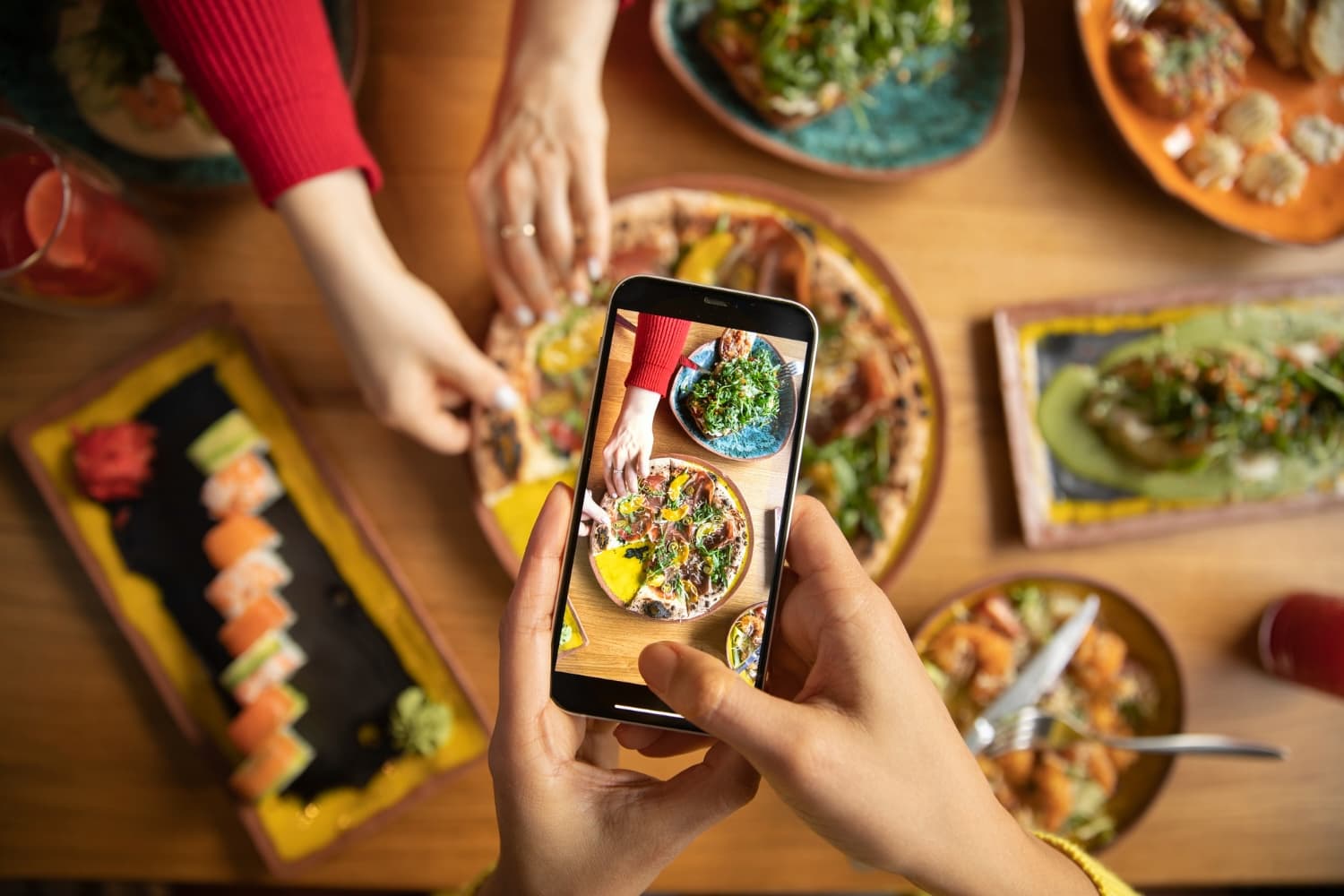
There’s an old saying: we eat with our eyes first. Social media took that idea and turned the volume all the way up.
Perfect lighting, slow-motion cheese pulls, colourful desserts stacked like edible art, these visuals are designed to catch attention. And they work. Studies show that seeing appetising food images can activate the brain’s reward centres, making us feel hungrier and more likely to crave the foods we see.
The catch? The foods that go viral online are often the most indulgent ones. Burgers taller than your hand, milkshakes piled with sweets, or giant desserts made for the camera rather than the body.
This doesn’t mean visual food content is bad. In fact, the impact of social media can be positive when it highlights nutritious recipes, home cooking ideas, healthy snacks, or creative healthy dishes. But when our feeds are filled mostly with fast food, our perception of “normal eating” can slowly shift.
How Do Influencers and Viral Trends Shape What We Eat?
Food influencers and creators have become modern-day taste makers. With millions of followers, their recipes, restaurant visits, and cooking challenges can spark trends overnight. One day it’s just a video, the next day everyone is trying it at home. This shows how quickly social media can affect food choices and shape food culture.
But like any spotlight, it can shine in two directions. Sometimes, the foods gaining the most traction are the ones with the most dramatic visual appeal, often loaded with sugar, salt, or fats simply because they look exciting on screen.
And while influencers set the stage, they’re not the only ones shaping what ends up on our plate. Social media doesn’t just show us curated content; it also shows us what our friends and peers are eating.
Social Influence, Body Image, and Food Choices
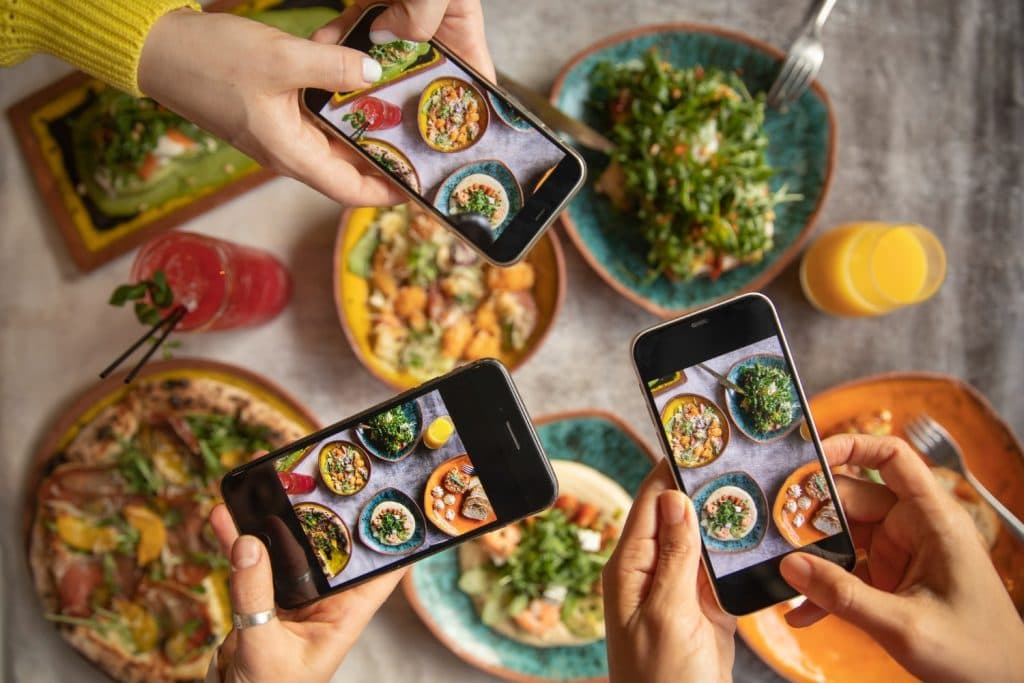
When we see friends or people we follow trying a trendy restaurant or jumping on a viral food trend, it can spark that subtle “maybe I should try it too” feeling. This kind of social influence can shape our food choices ever so quietly, especially when we’re constantly exposed to what everyone else is eating online.
At the same time, social media often sends mixed signals, celebrating indulgent foods in one post and extreme dieting in the next. This contrast can create confusion around eating habits and, over time, negatively impact both our relationship with food and body image.
Over time, it’s not just what we eat that’s influenced, but how we feel about food altogether.
How Algorithms Guide Our Food Choices
Behind the scenes, algorithms are quietly curating our food content. Social platforms promote posts that get the most engagement. In food content, that usually means bold colours, easy dishes, and visually striking presentations. The more people interact with these posts, the more similar content appears in feeds.
This creates a kind of digital echo chamber where the impacts of social media reinforce the same cravings again and again.
On top of that, targeted advertising adds another layer. Food brands can promote products directly to users based on search habits, interests, and location. One moment you’re watching a recipe video, the next moment you’re seeing ads for snacks, desserts, or takeaway meals. It’s convenient, but it also means our food choices are sometimes being guided by marketing rather than real hunger.
Social Media Isn’t the Problem, Irresponsible Food Marketing Is
Let’s be fair: social media itself isn’t the villain of this story. It has opened the door to incredible food creativity. Chefs, nutritionists, home cooks, and small food brands now have a platform to share their ideas with the world. Communities form around cooking, wellness, and cultural food traditions.
The real concern lies in which foods are marketed and how they are marketed. When platforms are flooded with content that glorifies ultra-processed, high-sugar foods without balance or context, it can influence eating habits, especially among younger audiences who are still shaping their relationship with food.
How to Make Smarter Food Choices Online?
If social media is shaping what we crave, how do we choose food wisely without falling for trends?
Start following creators who share balanced meals, practical cooking tips, and realistic eating habits that can actually make a difference. Seeing nutritious food presented in exciting ways can shift perceptions of what healthy eating looks like.
In other words, instead of following platforms and influencers that promote junk food, you can make the switch to platforms promoting healthier food choices and habits.
Healthy Meal Delivery
If social media has ever left you wondering whether a trending food is worth trying or just another passing fad, you’re definitely not alone.
That’s where the Calo App comes in, with AI personalization and expert nutrition guidance to keep your health front and center. It cuts through the noise, saving you from the endless scroll and second-guessing when it comes to your food choices and gives you a smarter, simpler way to eat well.
Our healthy meals are thoughtfully prepared and delivered straight to your door, so you get the convenience people love about modern food culture, without the confusion that often comes with it. Truly, the best of both worlds, without the guesswork.
The Takeaway
Social media has changed the way we discover, share, and think about food. The effects of social media can inspire creativity and connection, but they can also influence habits, cravings, and food choices in very subtle ways. Like any powerful tool, it all depends on how we use it.
When food content celebrates balance, creativity, and nourishment, it can help people build healthier relationships with food. And in a world where the next meal idea might be just one scroll away, that balance matters more than ever.
Read about intuitive eating and more on healthy eating tips for remote workers, or explore other health-related topics on the Calo blog.